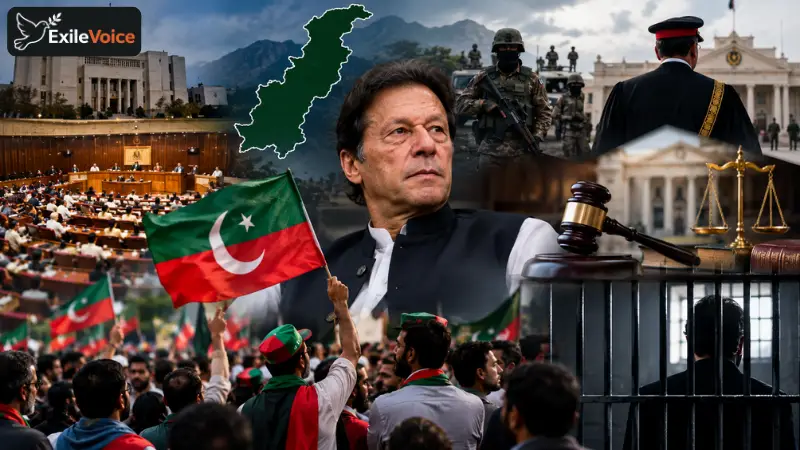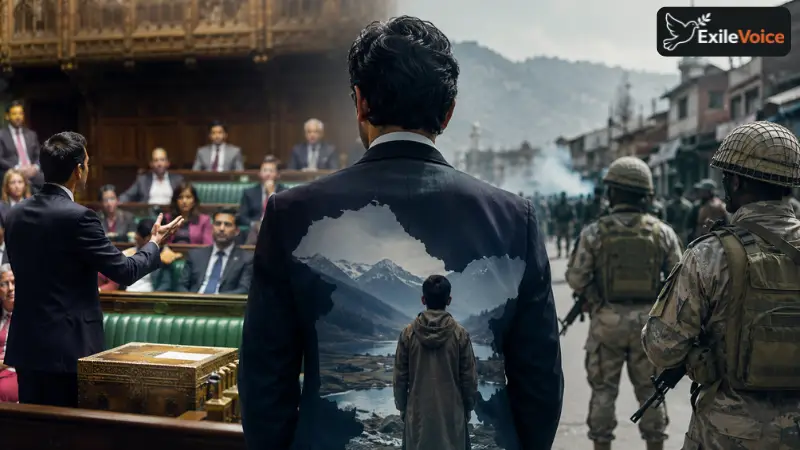
The political behavior of overseas diaspora communities, particularly members of parliament of Kashmiri and Pakistani descent in the United Kingdom, offers a compelling study in political sociology and institutional conditioning. Despite growing up and being educated within democratic, merit-based systems in Western nations, many prominent parliamentarians maintain complex ties with their countries of origin. Analysts and observers frequently question why these vocal politicians often hesitate to challenge or robustly criticize military establishments and state crackdowns in their ancestral homelands when operating within Western legislative bodies.
To understand this phenomenon, commentators often draw upon socio-psychological models, such as behavioral conditioning experiments, to explain how inherited cultural expectations, familial networks, and institutional deference perpetuate cycles of compliance. Diaspora politicians often navigate dual worlds where community integration, political patronage, and traditional social hierarchies heavily influence their public stances. While some parliamentarians have begun issuing cautious statements addressing regional violence, critics argue that these responses often lack the directness and urgency required to challenge systemic authoritarian practices.
The intersection of diaspora politics and homeland state policies underscores the persistent influence of traditional power structures across borders. As constituent pressure mounts, younger generations of overseas politicians face increasing demands to leverage their platforms for meaningful advocacy, moving beyond traditional diplomatic constraints to address human rights violations and democratic deficits effectively.