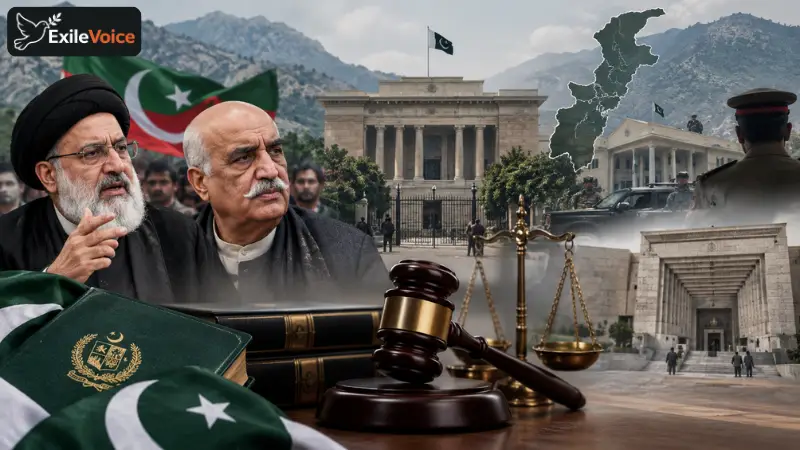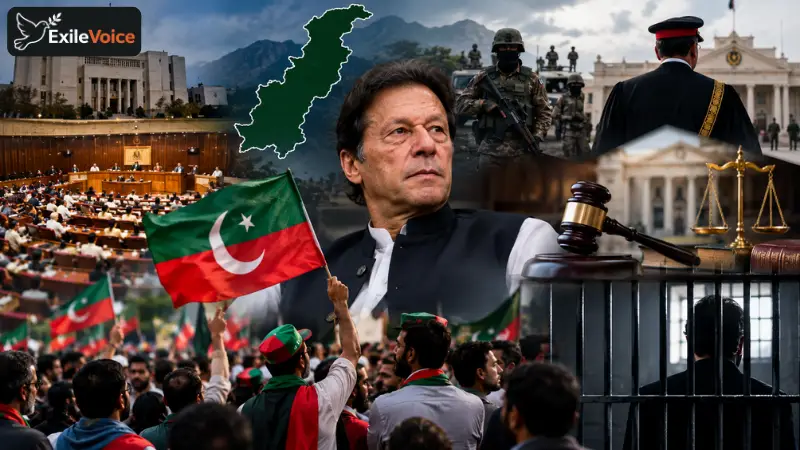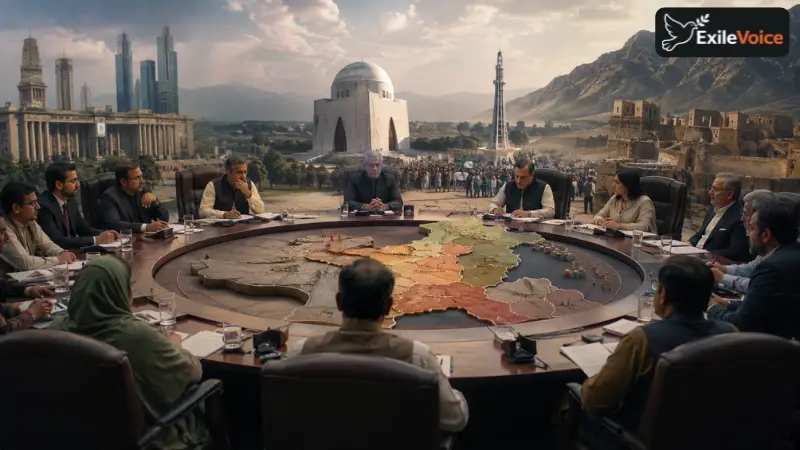
The political landscape in Pakistan is witnessing dynamic shifts, characterized by discussions surrounding governance restructuring, potential administrative changes, and evolving power dynamics among key institutional players. Recent commentary and media insights suggest that structural changes are being contemplated, drawing parallels with international governance models. Observers note discussions regarding decentralization and the creation of new administrative units to enhance governance efficiency.
Critics and political analysts have raised important constitutional questions regarding these proposed modifications, pointing out that existing legal frameworks require specific parliamentary majorities and provincial assemblies' approval for any structural territorial alterations. Furthermore, debates extend to the role of local governments versus provincial reorganization, with experts arguing that empowering grassroots democratic institutions could provide a more sustainable solution for administrative challenges. As these discussions unfold, political parties, journalists, and institutional stakeholders continue to navigate a complex environment of shifting alliances, public demonstrations, and policy debates.