The discourse surrounding institutional behavior within contemporary military structures often highlights the delicate balance between professional discipline and personal response. Recent commentary from prominent analysts sheds light on an incident involving a high-ranking military officer and civilian students, bringing the standards of conduct, standard operating procedures, and institutional accountability to the forefront of public discussion.
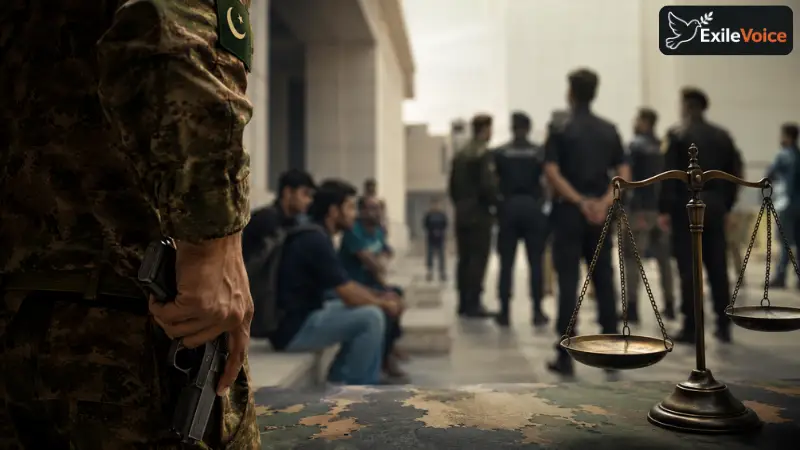
In military organizations, personnel undergo rigorous training that spans decades, culminating in senior leadership roles. This extensive tenure is designed to instill unwavering discipline, adherence to operational protocols, and emotional restraint, especially in high-stress or public environments. Observers point out that when individuals in positions of authority deviate from established protocols, such as the improper handling of sidearms in civilian spaces where law enforcement is already present, it creates a significant breach of public trust and tarnishes the uniform they wear.
The situation becomes more complex when evaluating the dual responsibilities of personal protection and professional duty. While individuals naturally seek to safeguard their families, institutional expectations demand that senior officers act with measured restraint, utilizing proper legal and administrative channels rather than escalating tensions. Analysts emphasize that military doctrine places a premium on discipline, setting a benchmark for conduct that transcends personal grievances.
Furthermore, the administrative aftermath of such incidents reveals critical insights into institutional response mechanisms. Reports from military and law enforcement liaisons indicate that internal reviews, military police inquiries, and intelligence tracking are often initiated to address breaches of conduct. However, transparency and accountability remain pivotal concerns for civil society. Experts argue that maintaining public confidence requires fair, open investigations that hold all parties accountable, ensuring that institutional loyalty does not overshadow adherence to the rule of law.
Ultimately, the analysis underscores the necessity for continuous evaluation of institutional norms. As military and civilian entities interact in shared spaces, upholding mutual respect, strict adherence to standard operating procedures, and transparent accountability frameworks are essential for preserving social harmony and institutional integrity.