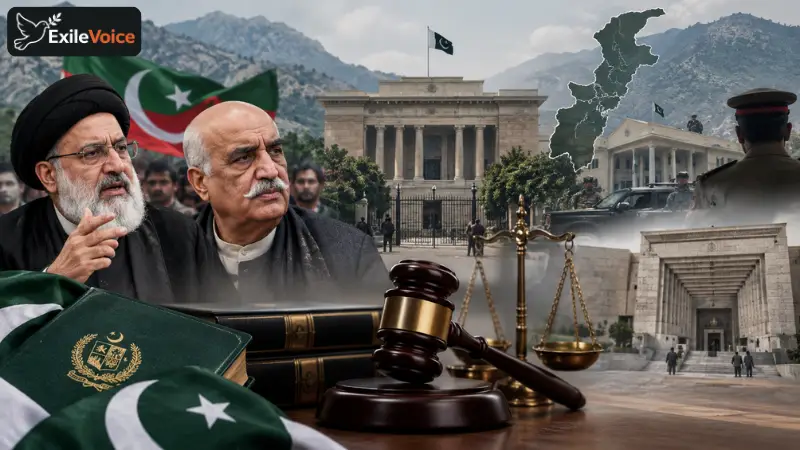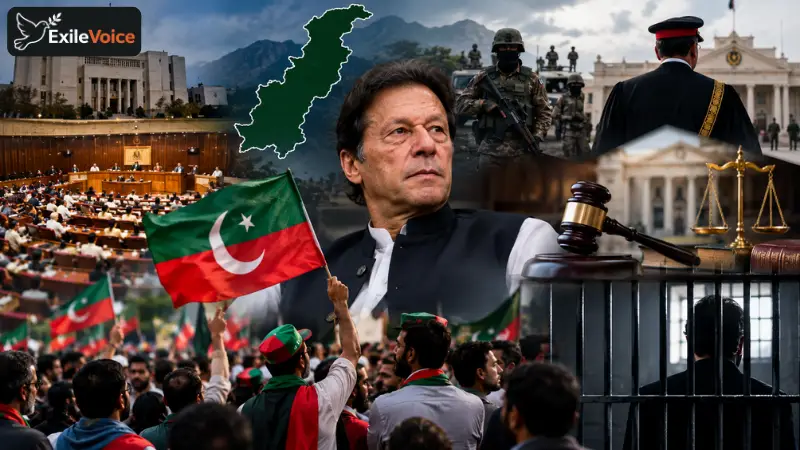
The political landscape in Pakistan continues to experience deep volatility, marked by intense controversies surrounding institutional dynamics, reports on political prisoners, and the ongoing civil unrest in Kashmir. Observers have highlighted contrasting narratives emerging regarding the health status of imprisoned former Prime Minister Imran Khan, noting the necessity for rigorous verification before reporting sensitive developments from within high-security facilities. Concurrently, regional political leadership faces scrutiny over administrative interactions and legislative responses, reflecting broader tensions between political entities and state governance structures.
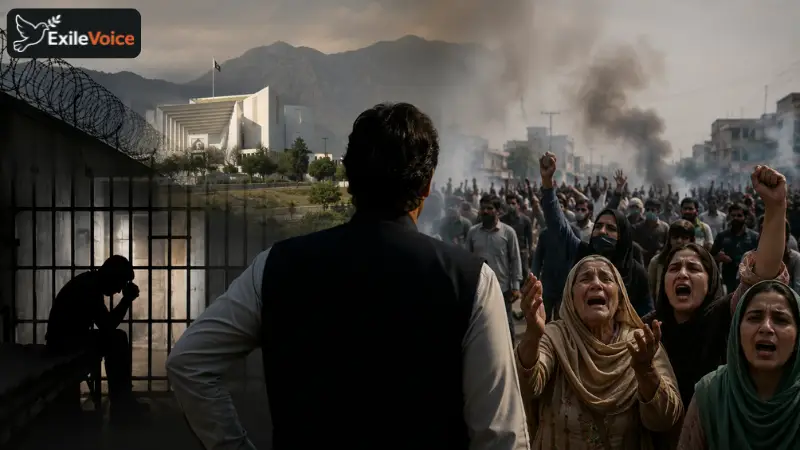
In Kashmir, the situation has escalated significantly, characterized by widespread public demonstrations and heavy casualties. Local populations, including ordinary citizens, elders, and young women, have displayed remarkable resilience despite severe security measures. Prominent community voices and grieving families have shared testimonies reflecting profound emotional resolve in the face of state crackdowns. Analysts note that the depth of public mobilization in Kashmir transcends conventional political affiliations, evolving into a widespread civil movement driven by collective grievances.
Furthermore, public discourse has focused on institutional alignment, political accountability, and the rhetoric employed by various public figures. The reactions of civil society and political stakeholders indicate a growing divergence between elite political maneuvers and grassroots sentiments. As calls for immediate peaceful mobilization grow louder, the pressure on political leadership to articulate clear stances on regional crises remains a central theme in ongoing political analysis.