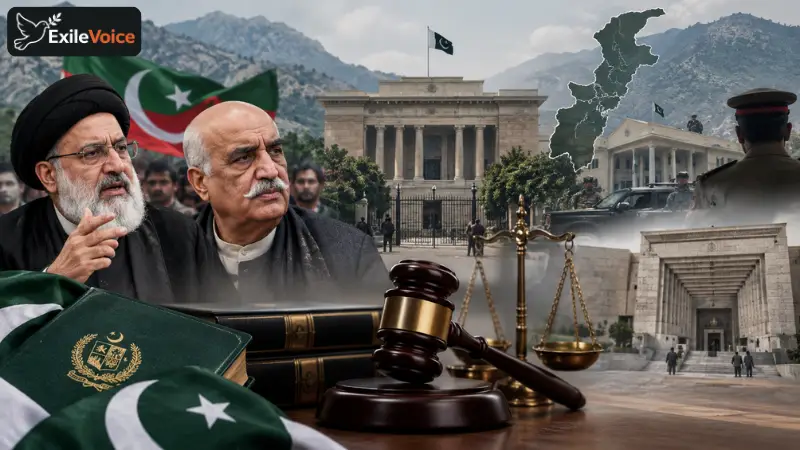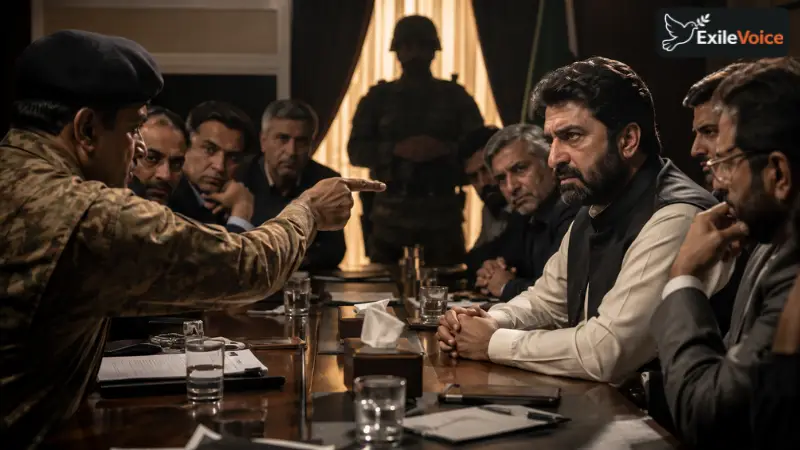
In a recent series of high-level meetings, Chief Minister Sohail Afridi has brought to light alarming claims regarding the political landscape in Pakistan, specifically alleging direct intimidation by military officials. During these sessions, which included diverse media representatives, Afridi disclosed that a sector commander of the Inter-Services Intelligence (ISI) threatened him with disqualification should he proceed with announced protest activities, such as a planned long march.
The allegations carry profound implications for the separation of powers and the autonomy of provincial leadership in Pakistan. Afridi’s decision to air these grievances publicly marks a significant shift in political discourse, highlighting the perceived pressure exerted by security establishments on elected officials. The Chief Minister's reluctance to identify specific commanders, referring only to a "sector commander of a sector commander", further suggests a complex, layered structure of influence that continues to challenge democratic governance.
Professional analysts argue that such interactions, if left unaddressed through formal channels, weaken the institutional integrity of the provincial government. According to political commentators, a more effective strategy for an elected official in this position would have been to formalize these complaints immediately, either through public documentation or official correspondence to the relevant defense and intelligence leadership. By opting to discuss these threats informally with journalists rather than filing official protests, Afridi may inadvertently risk undermining his own political standing, leaving his administration vulnerable to further external pressure.
Furthermore, the consistency of these reports points to a broader systemic concern regarding the relationship between the security apparatus and civilian governance, specifically within provinces like Khyber Pakhtunkhwa. The assertion that military actors have become increasingly assertive suggests that the fragile balance between institutional duties and political oversight is under severe strain, warranting urgent structural reform and public transparency.