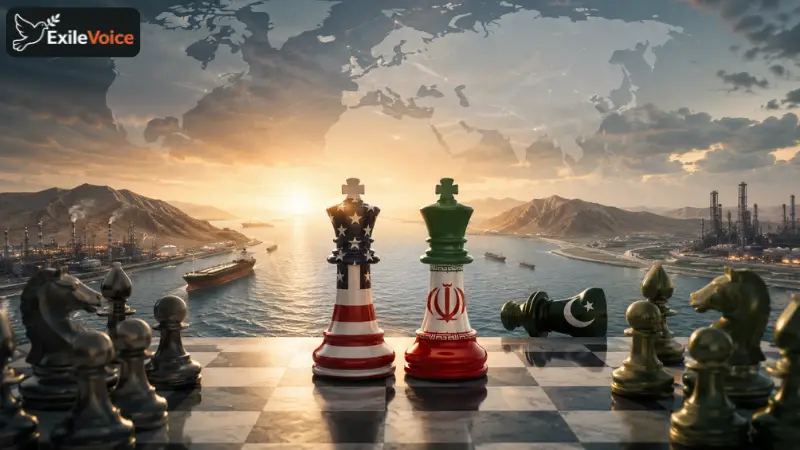
The recent signing of a historic agreement between the United States and Iran, formalized by President Trump in Europe and mirrored by President Masoud in Tehran, represents a significant turning point in Middle Eastern geopolitics. This deal, which effectively de-escalates tensions, has broader implications for regional security, trade, and the diplomatic standing of nations like Pakistan.
Initially, Pakistan had positioned itself as a mediator, with public announcements suggesting that a formal signing ceremony would be hosted in the country. However, the rapid execution of the agreement by the primary stakeholders in Europe and Iran rendered these plans obsolete. This shift highlights a recurring challenge for Pakistani foreign policy: the ability to maintain central relevance in high-stakes international negotiations. The sudden nature of the agreement, which covers critical issues such as the opening of the Strait of Hormuz, the release of frozen assets, and a roadmap for long-term nuclear discussions, signals that major powers prefer direct engagement over third-party mediation.
Beyond the immediate diplomatic fallout, the deal introduces significant economic adjustments. The unfreezing of assets and the normalization of Iranian oil exports will reshape energy markets. For Pakistan, the situation demands a recalibration of its regional strategy. The emphasis on stability in the Strait of Hormuz, a critical artery for global trade, underscores the pragmatism driving the US-Iran rapprochement. By prioritizing the flow of commerce, estimated at hundreds of millions of dollars daily, over continued conflict, the agreement challenges the regional status quo. As Pakistan navigates this new landscape, the focus must shift toward protecting its own economic interests and ensuring that it is not sidelined in the evolving regional power structure.