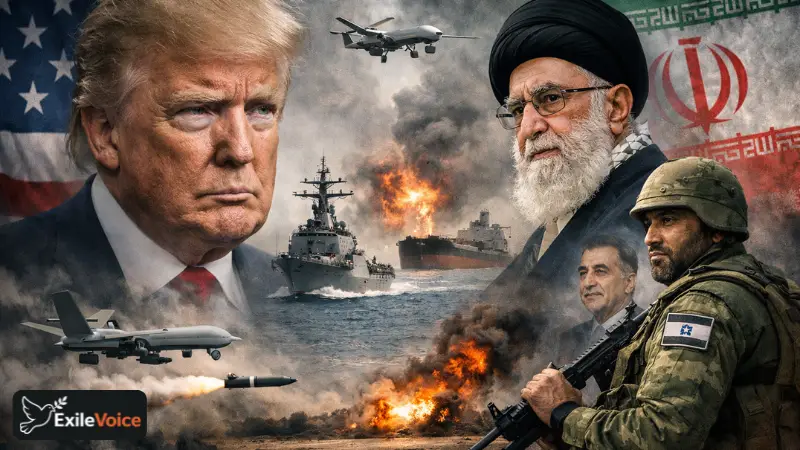
The current geopolitical landscape is witnessing an unprecedented escalation in tensions between the United States and Iran, marked not only by military posturing but by a complex layer of psychological warfare. Analysts are increasingly pointing toward the mental state of the U.S. executive as a critical variable in global stability. This observation is rooted in a historical context where medical and psychiatric professionals have raised concerns about the impact of extreme stress on presidential decision-making. As the Iran crisis deepens, the inherent capacity of a leader to function under pressure becomes the focal point of international scrutiny.
The discourse has recently been fueled by contradictory claims regarding a potential ceasefire. On one hand, reports suggest that Iran’s leadership has reached out to Washington seeking a cessation of hostilities. On the other hand, the U.S. administration has tied any such agreement to the total reopening of the Strait of Hormuz. This strategic waterway remains the world's most sensitive oil transit point, and the U.S. stance suggests a pivot toward forcing European allies to take a more active military role in securing it. By framing the conflict as a European energy security issue rather than a purely American concern, Washington is attempting to break its perceived political isolation.
However, the diplomatic reality on the ground in Tehran presents a different story. Iranian officials have categorically denied making any ceasefire requests, labeling such reports as misinformation designed to mislead the public. The emergence of an open letter from President Masud Pezeshkian addressed to the American people further complicates the narrative. The letter emphasizes that there is no intrinsic or historic enmity between the citizens of the two nations, positioning Iran’s recent military actions as purely defensive. This "public diplomacy" move is seen as an attempt to bypass the White House and appeal directly to the American electorate before major policy addresses.
Furthermore, the role of Israel in this conflict cannot be overstated. There are growing concerns among intelligence circles that the U.S. war machine is increasingly influenced by Israeli strategic objectives. Recent targeted strikes against high-ranking Iranian officials, such as those allegedly involving former Foreign Minister Kamal Kharrazi, suggest an effort to derail potential back-channel diplomacy. As the U.S. continues to deploy AI-driven military operations through initiatives like "Operation Maven," the line between automated warfare and calculated political assassination continues to blur, creating a volatile environment where one misstep could trigger a multi-generational conflict.