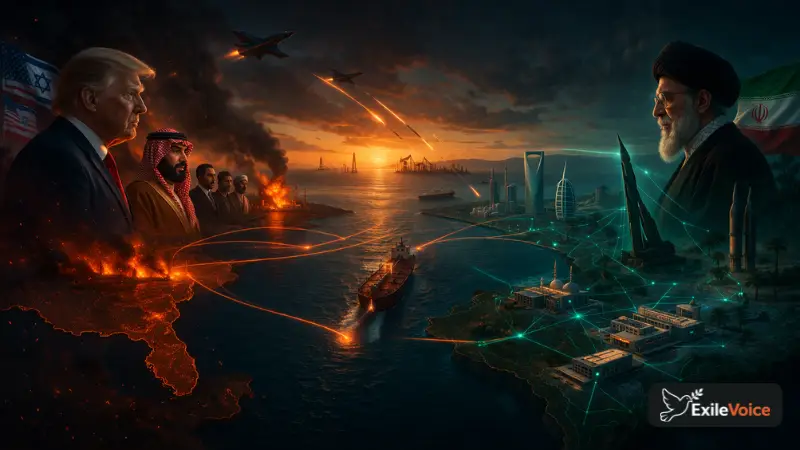
The global geopolitical landscape is currently teetering on the edge of a transformative shift, centered on a 48-hour deadline issued by U.S. President Donald Trump to Iran. This ultimatum, demanding the complete reopening of the Strait of Hormuz, carries the weight of a severe military threat: the systematic destruction of Iran’s power infrastructure. This developing crisis is not merely a regional skirmish but a fundamental challenge to the established international order that stretches from Washington to Tel Aviv, and from Riyadh to Tehran.
At the heart of this tension is the concept of a "preemptive strike." Recent military actions against Iran have been justified by U.S. officials as necessary measures to prevent an imminent Iranian response to Israeli provocations. However, this narrative is increasingly under fire within the United States. Critics and high-level defectors, such as former counter-terrorism directors, suggest that American foreign policy has become dangerously tethered to Israeli strategic interests, compromising U.S. sovereignty. This internal debate, dubbed the "America First" vs. "America Sovereign" conflict, questions whether a superpower should allow its military momentum to be dictated by an ally.
The potential for escalation is immense. Iran’s Islamic Revolutionary Guard Corps (IRGC) has signaled a "tit-for-tat" doctrine. Should Iranian power stations be targeted, they have identified Gulf Cooperation Council (GCC) infrastructure, specifically power plants and desalination facilities in Saudi Arabia, the UAE, and Qatar, as legitimate military targets. This creates a terrifying scenario for global energy markets and regional stability. Furthermore, the resilience of Iranian missile capabilities, despite claims of their total destruction, suggests that any full-scale conflict would be far more costly and prolonged than initial projections might imply.
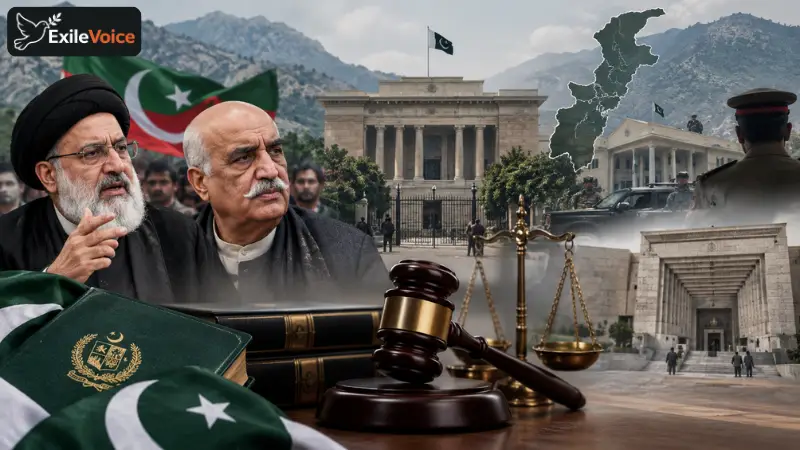
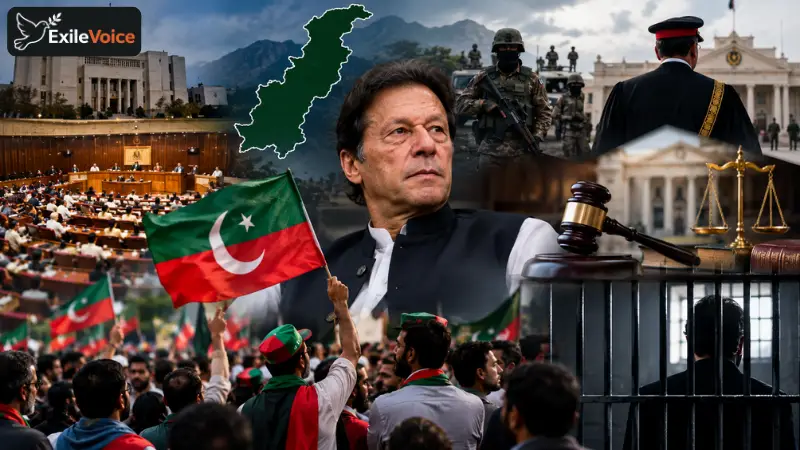
For nations like Pakistan, this conflict is of existential importance. The current domestic political regime in Pakistan has aligned itself closely with the Washington-Riyadh axis. Therefore, the survival of the Iranian resistance directly impacts the "Balance of Power" in South Asia. If the U.S.-led coalition succeeds in subduing Iran in a manner similar to the 2003 Iraq invasion, the existing status quo in Pakistan is likely to consolidate. Conversely, if Iran manages to secure a self-respecting exit or successfully challenges the military onslaught, the resulting vacuum and shift in power could create the necessary "political space" for a domestic reset in Islamabad.