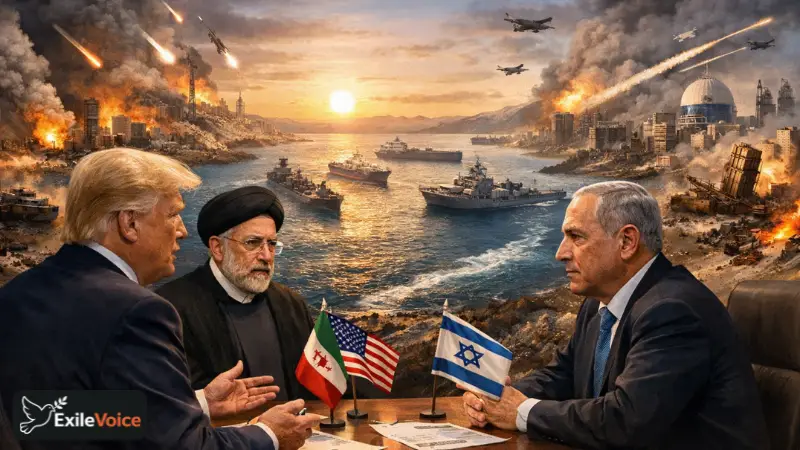
The geopolitical landscape of the Middle East is witnessing a potential pivot as reports emerge of a "Mega Offer" from the Trump administration aimed at halting the escalating hostilities between Iran and Israel. This development comes at a critical juncture where military engagement has reached unprecedented levels. Recent reports indicate that Iran has launched a significant barrage of missiles and drones toward Israel, marking one of the most intense periods of kinetic exchange since the onset of the current friction.
The essence of the proposed diplomatic breakthrough lies in a "status quo ante" agreement. The administration is reportedly exploring a framework where both parties cease hostilities without either side claiming a definitive military victory. A central component of this negotiation involves the Straits of Hormuz. The U.S. appears to be leveraging the reopening and guaranteed security of this vital maritime artery in exchange for a comprehensive ceasefire . This strategy reflects a pragmatic approach to global energy security, as the Straits of Hormuz remain the world's most important oil transit chokepoint.
However, the path to peace is fraught with complexities. Both nations have sustained considerable infrastructure damage and loss of leadership. Critics argue that returning to the previous state of affairs ignores the significant human and economic costs incurred over the past months. Furthermore, the internal dynamics within the U.S. and its relationship with NATO allies have shown signs of strain. The "one page" unity previously seen between Washington and Brussels appears to be fracturing, particularly as European nations like France, Italy, and Spain have restricted their airspace for U.S. military operations .
As the international community watches these negotiations, the effectiveness of this "Let’s End War Without Win" strategy remains to be seen. It highlights a shift toward isolationist realism, where the goal is stability and the protection of economic interests rather than ideological triumph or regime change.