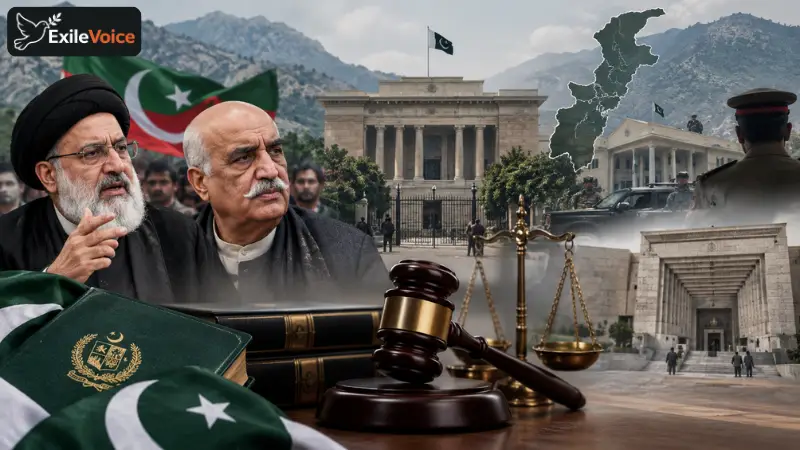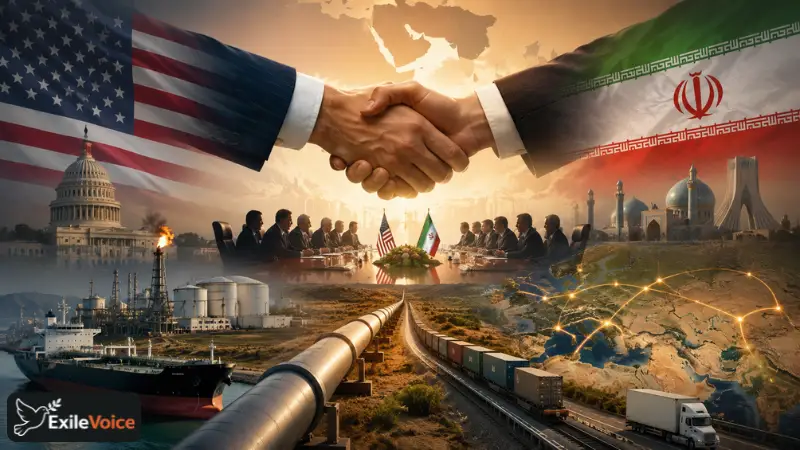
The recent visit of Iranian President Dr. Masoud Pezeshkian to Islamabad marks a significant turn in regional geopolitics, occurring amidst a broader, unprecedented thaw in US-Iran relations. This development comes as the US Treasury Department has issued a 60-day license for Iran to export oil and petroleum products, signaling a potential easing of long-standing sanctions.
For Pakistan, the implications are multifaceted. Historically, Pakistan has faced constraints in energy procurement due to rigid commitments with Saudi Arabia and the UAE. While Iranian oil may soon reach international standard pricing, the real strategic opportunity for Pakistan lies in energy infrastructure, specifically the Iran-Pakistan-India (IPI) gas pipeline. With infrastructure on the Iranian side largely complete, any further easing of sanctions could provide Pakistan with access to affordable gas, a critical need given the country's rising energy demands and economic challenges.
Furthermore, this diplomatic movement creates a potential trade corridor connecting the Middle East, Iran, Turkey, and Europe. Dr. Pezeshkian’s emphasis on avoiding inflammatory rhetoric, particularly regarding the US-Iran agreements, suggests a calculated effort by Tehran to solidify these gains. Institutional mechanisms are now being established to manage this transition, with high-level committees and working groups focused on nuclear issues, sanctions termination, and economic development.
Despite the progress, the road ahead remains complex. Skepticism from regional actors and the intense lobbying efforts by those opposed to Iranian reconciliation present persistent obstacles. However, the emerging institutional framework suggests that both Tehran and Washington are moving toward a structured, if cautious, engagement. For Pakistan, the challenge remains to leverage this regional space effectively, ensuring that national decision-makers can capitalize on these shifts to alleviate local energy shortages and broaden economic horizons.