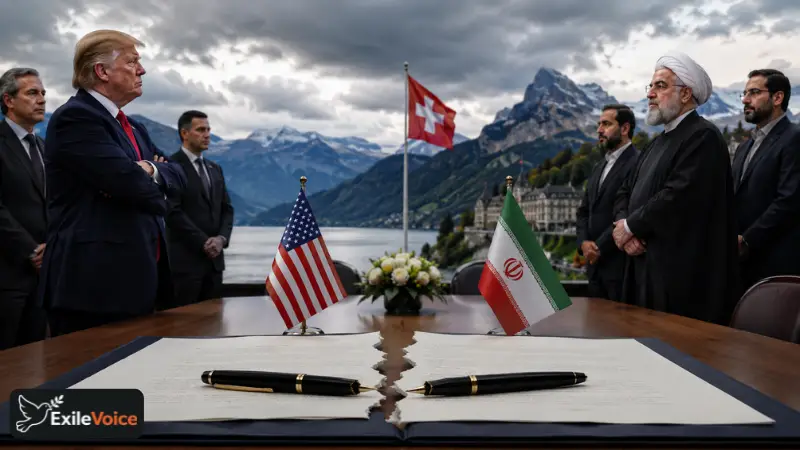
The highly anticipated diplomatic summit between the United States and Iran, originally scheduled to take place at the Bürgenstock Resort in Switzerland, has officially been cancelled, marking a significant shift in international diplomatic efforts. The event, which was set to formalize the Islamabad Memorandum, faced abrupt disruption, leading to widespread confusion among the global media and diplomatic communities.
Initially, Pakistan, acting as the mediator, had prepared extensively for the ceremony. Prime Minister Shehbaz Sharif was slated to preside over the proceedings, underscoring Pakistan's growing diplomatic footprint. However, shortly after the initial signing of the Memorandum of Understanding (MoU) by US President Donald Trump and Iranian officials, the planned physical ceremony was called off. Reports indicate that the United States and Iran opted for electronic signatures instead, effectively bypassing the planned high-profile gathering.
Diplomatic sources suggest that the cancellation stems from shifting political landscapes and complex logistical challenges rather than a complete breakdown of the negotiations themselves. There is intense speculation regarding the involvement of various power circles within Washington, including the influences of the State Department, the CIA, and prominent lobbying groups. While official narratives emphasize logistical hurdles, international observers point to deeper, more intricate geopolitical tensions.
Crucially, the delay or cancellation may be linked to ongoing pressures from regional stakeholders, including the influence of Iran's allies, such as Hezbollah, amid the current conflicts in Lebanon. This dynamic highlights the fragile nature of these negotiations, where the domestic and regional political requirements of both nations often intersect with international peace efforts. Despite these setbacks, both the Trump administration and the Iranian leadership continue to signal an interest in advancing their dialogue, particularly regarding the country's nuclear program.
The situation remains fluid. While the specific ceremony in Switzerland did not materialize as planned, the underlying technical negotiations are expected to proceed. The international community is closely monitoring these developments, recognizing that the successful navigation of these talks is critical to regional stability and the broader global economic landscape.