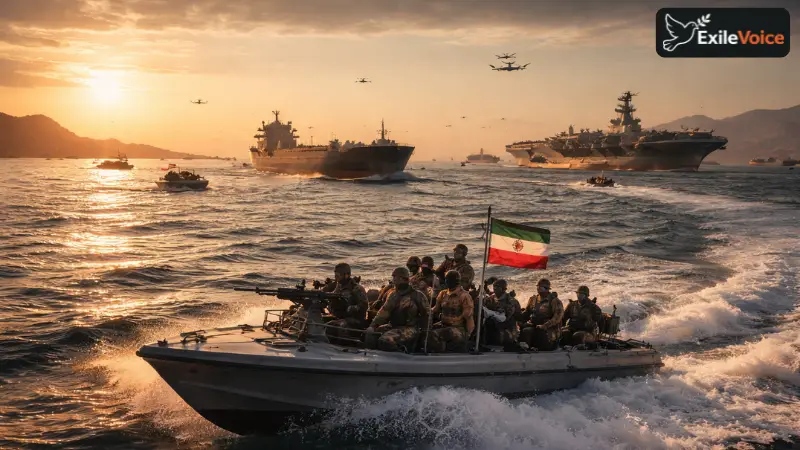
The global energy supply chain is currently balanced on a knife-edge as the 15-day ceasefire negotiated in Islamabad nears its expiration on Wednesday. At the heart of this tension is the Strait of Hormuz, the world’s most important oil transit chokepoint. Iran has utilized a masterful tactical "card" by linking the reopening of the Strait directly to the maintenance of the ceasefire and the lifting of blockades.
Recent developments show a complex "chokehold and compromise" dynamic. While President Trump has claimed on social media that the Strait is open "forever," Iranian negotiators, including Parliamentary Speaker Ghalibaf, have been quick to temper this optimism. Tehran maintains that any transit through the Strait remains conditional upon adherence to Iranian naval instructions and specific routes. In fact, Iranian officials have accused the Trump administration of "manipulating markets" with premature claims of a "zero enrichment" agreement, a claim Tehran flatly denies.
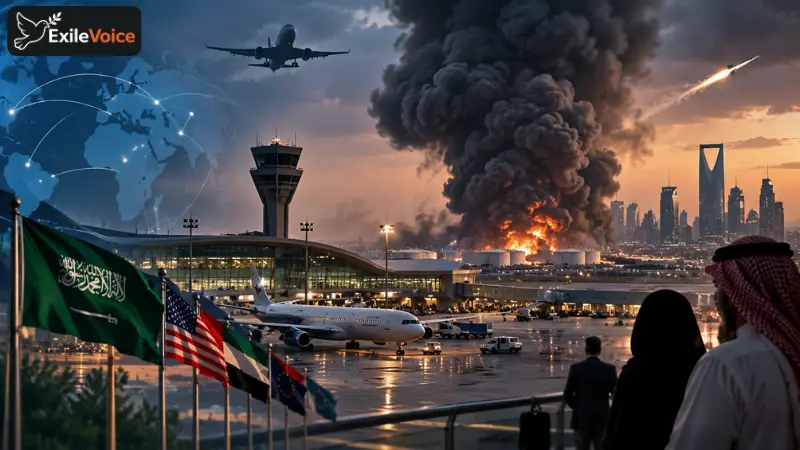
Adding a layer of technological intrigue to the standoff is the role of China. Reports indicate that China provided Iran with advanced civilian satellite technology through the Belt and Road Initiative (BRI). This technology has significantly enhanced Iran's "Tech Capacity," allowing for precision monitoring and targeting of regional airbases, such as the Prince Sultan Air Base in Saudi Arabia. The transition from rudimentary surveillance to high-definition satellite imagery has shifted the balance of power, making an Iranian blockade more formidable than in previous decades.
The fragility of the current peace is further threatened by "Hawks" within the Washington establishment. There are ongoing calls to strike the "Pickaxe Mountain" facility, Iran’s most deeply buried and fortified nuclear laboratory, before any formal treaty is signed. Proponents of this strike argue that a deal without neutralizing this site is a failure, while diplomats warn such an action would instantly shatter the Islamabad-brokered peace.
In a symbolic victory for Pakistan, the oil tanker Shalimar, carrying 450,000 barrels of oil, became the first vessel allowed by Iran to transit the Strait of Hormuz following the recent tensions. This gesture underscores the "trust" Tehran currently places in Islamabad, yet the broader question remains: what happens when the 15-day clock runs out? If the Monday talks in Islamabad fail to produce a concrete extension or a permanent framework, the "chokehold" on the global economy may tighten once again.