The Strait of Hormuz is once again the epicenter of a global maritime power struggle as Iran introduces a series of aggressive legal and operational shifts. The Iranian Parliament is currently drafting laws that would fundamentally change the rules of engagement in one of the world’s most critical shipping lanes. These new rules mandate that all future contracts be signed under the name "Persian Gulf" and that all tolls be paid in Iranian Rials, moving away from the U.S. Dollar.
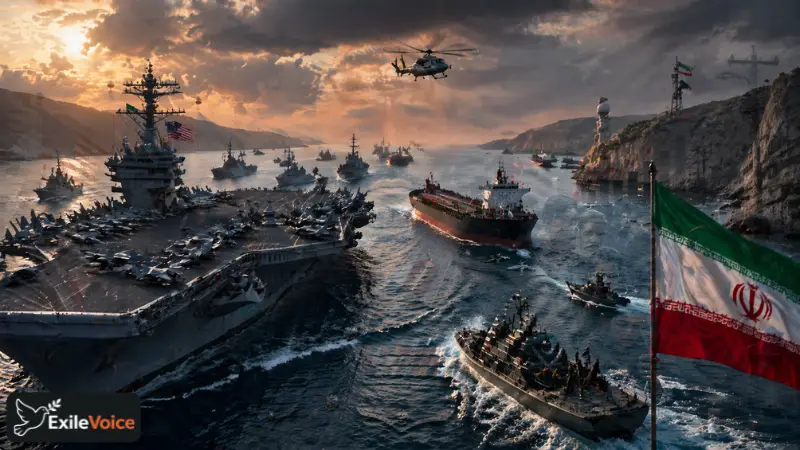
The proposed legislation goes beyond economic shifts, creating a tiered system for transit. Countries that have not participated in conflicts against Iran or have refrained from imposing sanctions would receive preferential treatment and lower tolls. Conversely, U.S. military ships and Israeli-linked vessels would be prohibited from passage. This legal offensive is supported by a visible military presence, with Iranian forces increasing their "boarding" operations, showcasing a readiness to physically enforce these new boundaries.
Simultaneously, the United States is facing its own internal maritime crisis. The recent removal of the Secretary of the Navy, John Pallen, amidst disputes over ship-building and naval promotions, has left the U.S. Navy in a state of flux. This leadership vacuum occurs while the U.S. has its largest naval operation in decades stationed in the Gulf, including three aircraft carriers and twelve ships dedicated to blockade operations.
The rhetoric from President Donald Trump has further fueled the fire. Trump’s orders to "shoot down" any Iranian ships that pose a threat contrast sharply with the White House’s attempts to use humanitarian issues, such as the death sentences of female protesters in Iran, as leverage in negotiations. As Iran releases sophisticated media content showing high-level engagements with regional leaders, the risk of a miscalculation in the Gulf has never been higher. The transition from diplomatic theater to actual naval blockade could paralyze global trade and reshape regional security indefinitely.