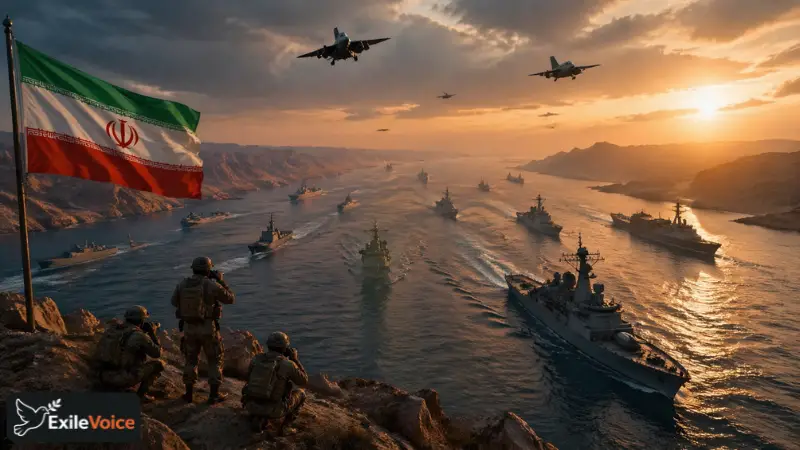
The geopolitical landscape of the Middle East has shifted from the skies to the seas. While much of the international media has focused on the "pause" in aerial warfare between Western powers and Iran, a far more dangerous and economically strangling conflict is unfolding in the world's most critical maritime chokepoint: the Strait of Hormuz. As shipping lanes become the primary battlefield, the global economy faces a "near-halt" scenario that threatens to redefine energy security for the coming decade.
The Illusion of the Ceasefire While a tactical pause in air strikes has been marketed as a step toward peace, the reality on the water suggests otherwise. A naval blockade, by its very definition, is an act of war. By restricting a nation’s ability to import and export, specifically targeting its lifeblood, oil, the current strategy aims to achieve through economic suffocation what aerial bombardment could not. Iran has signaled that it does not recognize the current "ceasefire" as valid as long as its maritime borders are under duress.
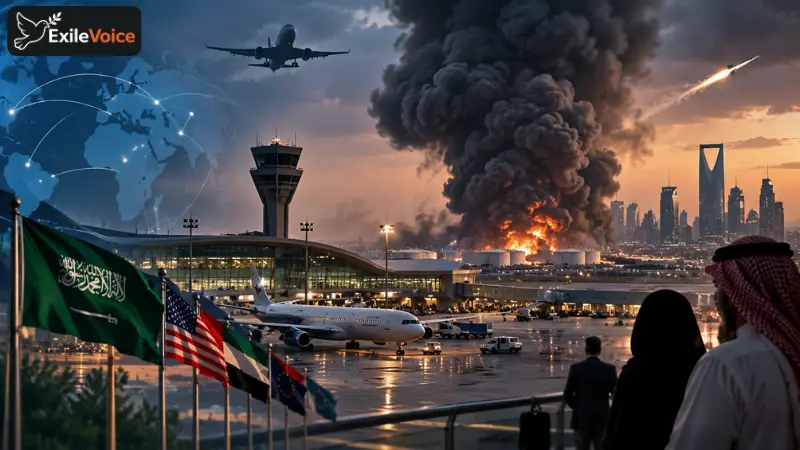
Global Economic Fallout The consequences of this maritime stalemate are already visible. Major European carriers, such as Lufthansa, have reportedly cancelled thousands of flights due to fuel shortages and soaring insurance risks. With 20% of the world’s oil passing through the Strait of Hormuz, any disruption transforms a regional spat into a global crisis. Brent crude prices are once again flirting with the $100 mark, impacting everything from the cost of living in Berlin to the stability of emerging economies.
Tactical Pauses vs. Strategic Peace The current situation is less a peace treaty and more a redistribution of pressure. Western powers are attempting to manage market stability while maintaining maximum pressure on the Iranian regime. However, this "tactical pause" is historically familiar; similar gaps in conflict have occurred since the 1980s without resolving the core issues of nuclear enrichment or regional proxy influence. Without a diplomatic breakthrough that addresses the maritime blockade, the current pause remains a volatile precursor to a larger naval confrontation.