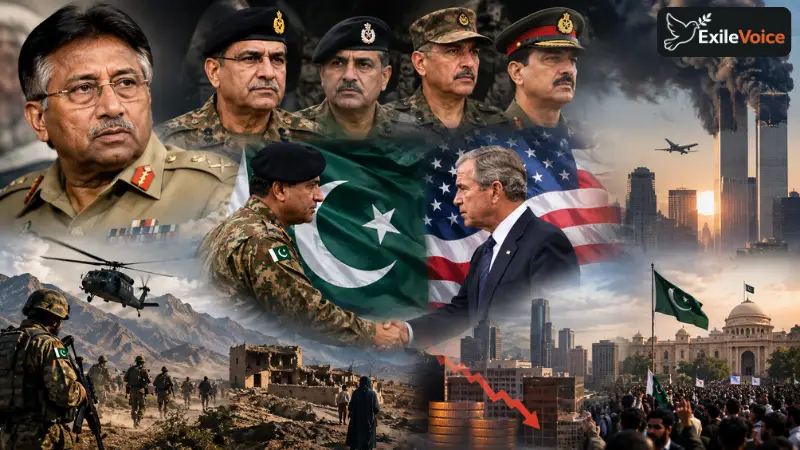
The current diplomatic successes of the Pakistani military-led administration offer a stark contrast to the turbulent foreign relations of the previous PTI-led government. Analyzing this shift requires a deeper look into what many analysts call the "sovereignty trap", a misunderstanding of the practical limits of national independence in a globalized, transactional world. Former Prime Minister Imran Khan’s tenure was marked by a rhetoric of "absolute sovereignty" that, while popular domestically, often clashed with the harsh realities of international power dynamics.
The fundamental disconnect lay in the perception of what makes a nation truly sovereign. Realist analysis suggests that sovereignty is not merely a legal status but a product of economic size, population capability, and strategic connectivity. For a state like Pakistan, which relies heavily on international financial institutions and regional alliances, the path to influence is often through delicate balancing rather than confrontation. Khan’s team frequently engaged in "unnecessary signaling," such as the public celebration of the U.S. withdrawal from Afghanistan with phrases like "shackles of slavery are broken." Such rhetoric, while emotive, often boxed the country into a corner, making it difficult to maintain functional ties with Western powers.
Furthermore, the "Absolutely Not" stance regarding U.S. requests, and high-profile UN speeches that leaned into populist themes rather than statesman-like negotiation, created an image of Pakistan as an unpredictable partner. In contrast, the current administration has adopted a strictly transactional approach, focusing on delivering specific results, like mediating the US-Iran conflict, in exchange for financial and political support. This "Mediation for Recognition" strategy has successfully established a relationship of trust with the White House that eluded the previous government.
Ultimately, the lesson for future Pakistani leaders is the importance of "Juggling the Bottles." A successful Prime Minister must act as a magician, balancing relationships with the military, the opposition, regional neighbors like India, and global superpowers simultaneously. By focusing on a single pillar of support and neglecting the others, a leader risks the very isolation that the current administration has managed to overcome through its pragmatic, albeit transactional, diplomacy.