In the high-stakes theater of Middle Eastern geopolitics, Pakistan has transitioned from a regional observer to a critical intermediary between Washington and Tehran. Foreign Minister Ishaq Dar recently confirmed that Islamabad is actively facilitating a 15-point peace proposal from the United States to the Iranian leadership. This development marks a significant diplomatic shift, positioning Pakistan as the primary "messenger" tasked with de-escalating a conflict that threatens global energy security and regional stability.
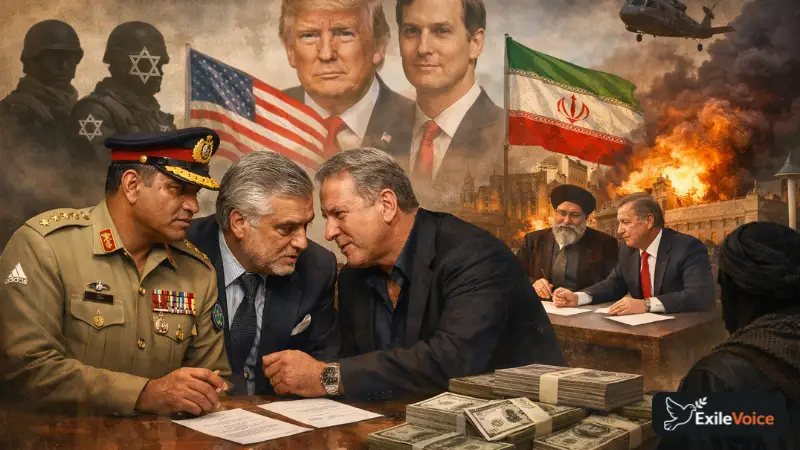
The roots of this mediation are deeply intertwined with personal and commercial ties between the Pakistani military leadership and the inner circle of President Donald Trump. Specifically, General Asim Munir has reportedly utilized connections with Steve Witkoff, a close associate of President Trump and Jared Kushner, to establish a direct line to the White House. This "Witkoff Connection" was cemented through commercial agreements involving Witkoff’s son, Zach, and Pakistani financial entities regarding multi-billion dollar remittances. By leveraging these personal relationships, the Pakistani military has secured a seat at the table, offering a way out for a Trump administration that finds itself economically pressured by rising oil prices and a looming election cycle.
However, the nature of this mediation is far more complex than simple diplomacy. Emerging reports suggest a unprecedented level of coordination between Pakistan and Israeli intelligence regarding Iranian leadership targets. Sources indicate that Islamabad has provided input on which Iranian figures are essential for diplomatic continuity, effectively influencing Israel's "hit list" to prevent the assassination of key negotiators. This collaboration highlights a paradoxical reality: while Pakistan officially maintains no diplomatic ties with Israel, the shared objective of managing the Iranian crisis has created a functional, albeit covert, partnership.
Despite these efforts, the path to peace remains fraught. While the U.S. seeks an exit strategy through Pakistani channels, the physical reality on the ground continues to deteriorate. A recent aerial strike near the Pakistani embassy in Tehran, narrowly missing the ambassador, serves as a stark warning of the volatility surrounding the mediation process. Furthermore, the Iranian leadership has expressed skepticism toward mediators linked to the Trump-Kushner circle, preferring direct engagement with figures like JD Vance. As global oil prices surge past $100 per barrel, Pakistan's role as a silent linchpin remains the world's best, and perhaps only, hope for a negotiated settlement before the conflict enters a terminal phase.