

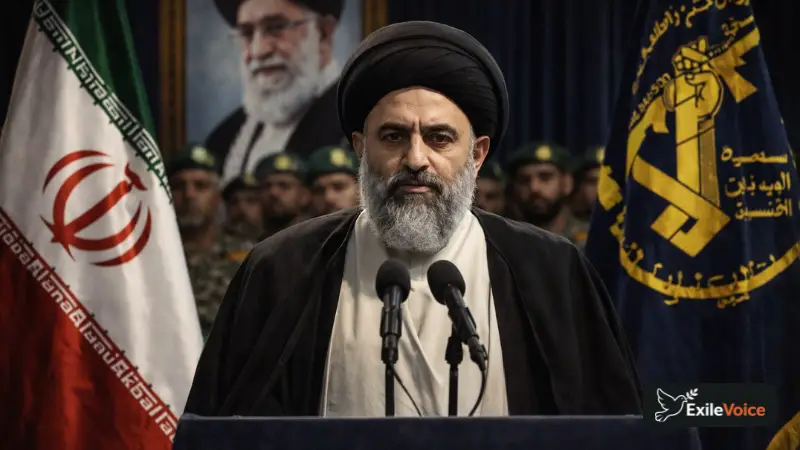
In a definitive move that signals total defiance toward Western pressure, Iran’s Assembly of Experts has finalized Mujtaba Khamenei as the nation’s Supreme Leader. This appointment comes at a time when the Middle East is engulfed in intense conflict, with the tenth day of current hostilities marking a significant stalemate. Mujtaba Khamenei, widely seen as the preferred candidate of the Islamic Revolutionary Guard Corps (IRGC), represents a continuation of the hardline stance historically maintained by his father, Ayatollah Ali Khamenei. His selection serves as a "shut up call" to the Trump administration and Israel, both of which had issued stark warnings against his succession.
The transition of power in Tehran is not merely an internal affair but a high-stakes geopolitical event. President Donald Trump previously signaled that any leader chosen without U.S. approval would face a short tenure, and Israeli Defense Minister Israel Katz labeled Mujtaba a "legitimate target." Despite these threats, the Iranian leadership has chosen a path of resistance over reconciliation. This resolve is rooted in a long-standing Iranian strategic belief: that any "blinking" under American pressure creates a slippery slope leading to the regime's eventual collapse. By consolidating power under Mujtaba, the IRGC and the Assembly of Experts have reinforced their commitment to maintaining Iran's sovereignty and its regional "Axis of Resistance."
The backdrop to this leadership change includes a history of animosity tracing back to the 1979 Islamic Revolution and the pivotal events of the 1982 Sabra and Shatila massacres. Analysts argue that current Israeli and American efforts to decapitate Iranian leadership, often attributed to Mossad’s prowess, rely heavily on the logistical and financial footprint of the CIA. According to investigative reports,

