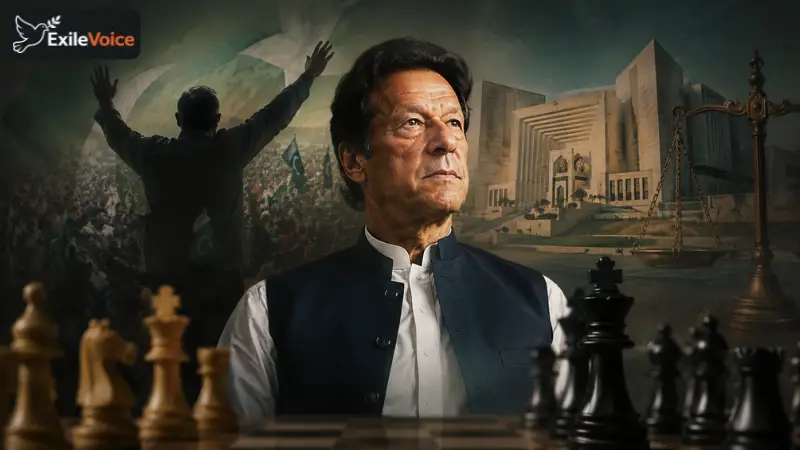
The current political atmosphere in Pakistan is dominated by the discourse surrounding the legal status and potential return to prominence of former Prime Minister Imran Khan. The situation has evolved into a complex interplay between political movements, judiciary decisions, and the personal dynamics of the nation’s political class.
Following recent legal developments, there has been a notable shift in how both supporters and opponents view the prospects of Imran Khan. The legal actions taken by the government, often articulated through local administrative channels, demonstrate an ongoing struggle to maintain control over the narrative and the legal outcomes. Supporters of the PTI view these maneuvers as an attempt to bypass established legal procedures and undermine the independence of the judiciary.
The personal element, often described as a battle of egos among the political leadership, remains a significant factor in the stalemate. Political analysts observe that the current confrontation is not merely about policy differences but has become deeply personalized. The involvement of family members in advocating for his release and the emotional response from the public underscores the deeply polarized state of the country. Furthermore, the international coverage of these events indicates that the stability of Pakistan's internal politics is being closely watched, reflecting concerns about democracy, the rule of law, and the overall political direction of the state. As the situation unfolds, the ability of the judiciary to remain impartial while managing pressure from various political factions will be a critical determinant in the future of the nation’s governance.