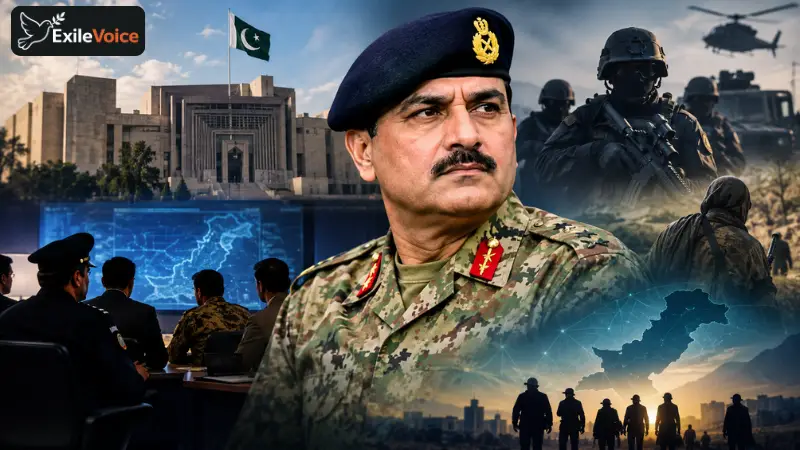
The recent appointment of Major General Faisal Naseer to a prominent role within the National Counter Terrorism Authority (NACTA) marks a significant development in Pakistan's security landscape. Historically, NACTA has been led by senior civilian police officials, designed to bridge intelligence gaps and foster cooperation between civilian law enforcement and military agencies. Bringing a high-ranking military intelligence figure into this position signals a structural shift in how counter-terrorism and domestic intelligence coordination are approached.
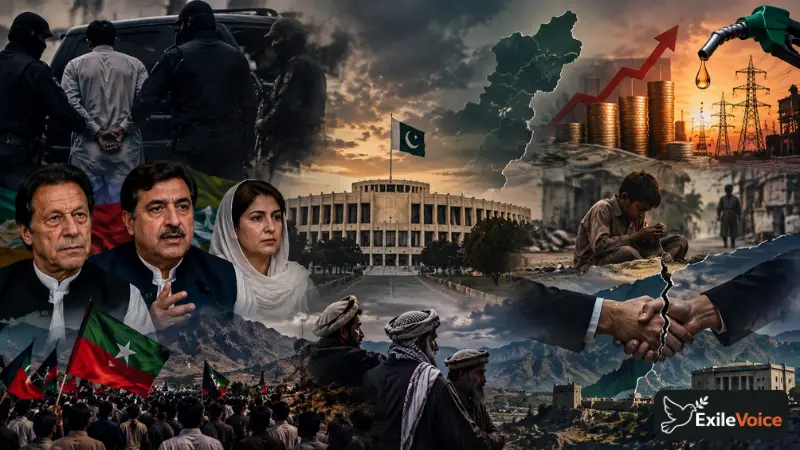
Critics and political observers have raised questions regarding the background of the newly appointed official, noting previous controversies and high-profile allegations linked to political intelligence operations. While traditional counter-terrorism frameworks rely heavily on local policing, grassroots intelligence gathering, and inter-agency collaboration, the integration of military leadership into NACTA suggests an intensified centralization of security protocols. This move reflects broader institutional patterns where the state leans heavily on military intelligence mechanisms to manage internal security challenges.
The implications for national counter-terrorism strategy remain complex. On one hand, proponents argue that military involvement can streamline operational efficiency and enhance inter-agency communication. On the other hand, skeptics worry that shifting the focus away from robust civilian policing infrastructure could undermine long-term institutional capacity building. As Pakistan continues to grapple with multifaceted internal security threats, the success of this administrative pivot will depend on whether it can foster genuine synergy among diverse intelligence and law enforcement bodies without sidelining civilian frameworks.