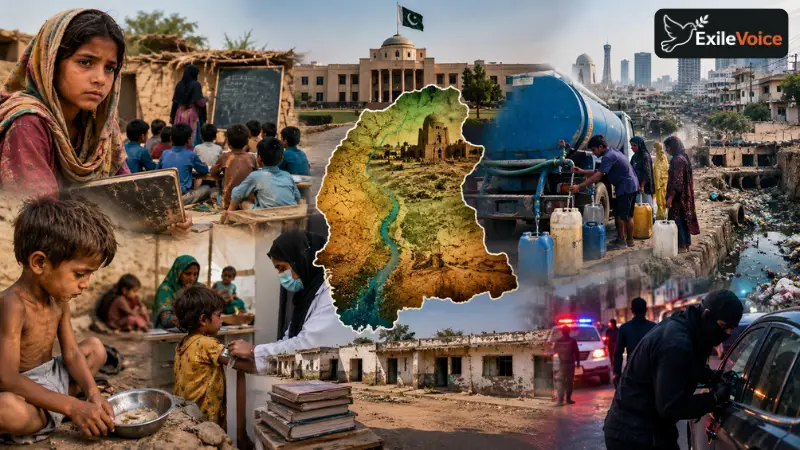
Decades of political dominance in Sindh have left the province grappling with severe socioeconomic disparities, as highlighted by multiple international reports and human development indices. Despite long-standing political rule, vital indicators concerning health, education, and basic living standards reveal profound systemic challenges. Data from organizations such as the World Bank and UNICEF consistently place Sindh's human development index below national averages, particularly concerning rural populations.
Educational deficits remain one of the most pressing concerns within the province. Millions of children remain out of school, and high failure rates in board examinations point to a deeply fractured educational infrastructure. Compounding these issues are alarming rates of child malnutrition, including severe stunting and wasting, which reflect inadequate public health interventions and food insecurity across rural districts. The persistence of ghost schools and unverified teaching staff further exacerbates the crisis, depriving generations of foundational development.
Urban centers like Karachi face their own distinct governance failures, particularly regarding municipal management, water scarcity, and rising street crime. The proliferation of informal water mafias and inadequate sanitation infrastructure severely impact daily life, while security reports indicate rising rates of violent crime and vehicle thefts. Addressing these deep-seated issues requires a fundamental overhaul of administrative priorities, shifting the focus from political rhetoric to substantive structural reforms that prioritize public welfare and sustainable development.