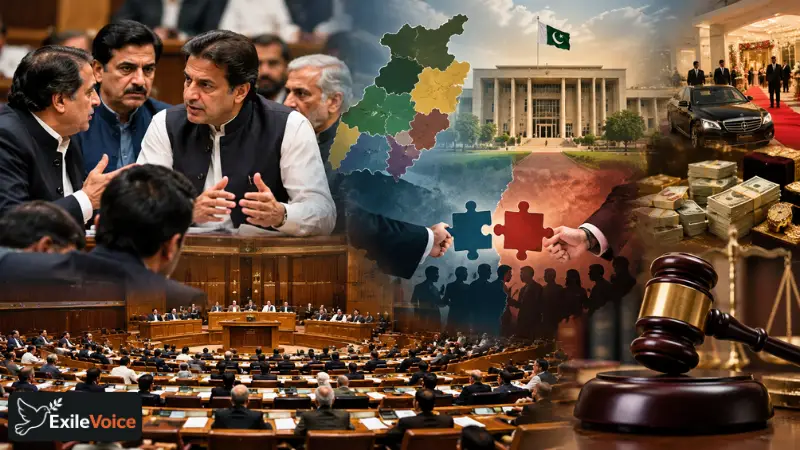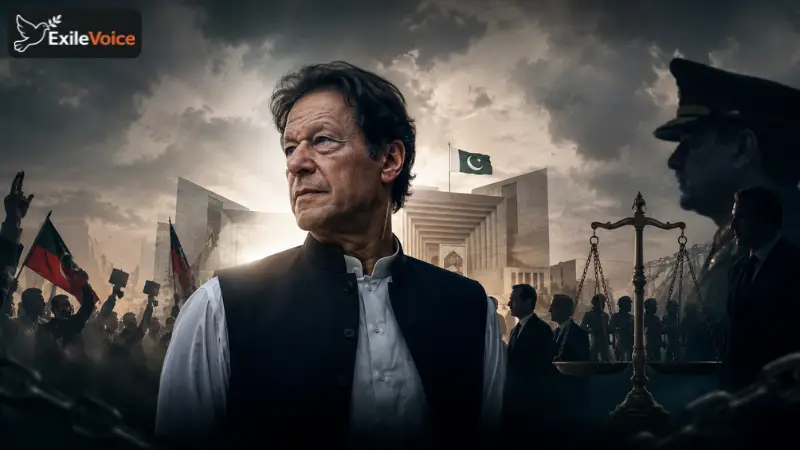
The political atmosphere in Pakistan remains intensely charged as discussions surrounding the potential release or "return" of former Prime Minister Imran Khan dominate the national discourse. The narrative, frequently compared to cinematic tropes like "The Terminator" or "The Return of the King," reflects deep-seated tensions between the PTI (Pakistan Tehreek-e-Insaf), the current coalition government, and the military establishment.
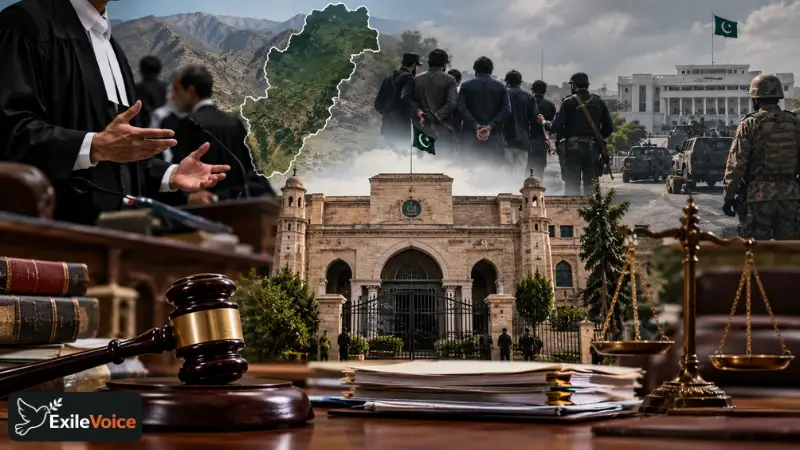
At the heart of the current conflict is an ongoing struggle involving personal egos, legal battles, and the institutional handling of political prisoners. Recent developments, including the Supreme Court’s involvement in medical assessments for Khan, have exposed deep fractures within the political fabric. Proponents of Khan point to the restrictive measures placed on his family, specifically the prolonged inability of his sisters to meet him, as evidence of a vindictive political environment. Conversely, the ruling coalition and legal representatives have challenged court rulings regarding medical transfer, arguing against special treatment for high-profile prisoners.
Observers note that this is no longer just a policy dispute; it has evolved into a "war of egos." The internal consistency of the state’s stance is being questioned by domestic and international media, with observers noting the irony of past political figures receiving medical leniency while current opposition figures face strict, often opaque legal barriers. The narrative of "business as usual" from the current administration is increasingly seen as a facade to maintain control while navigating intense public and social media pressure. Ultimately, the stability of the current political order depends heavily on how these personal and institutional tensions are managed in the coming months.