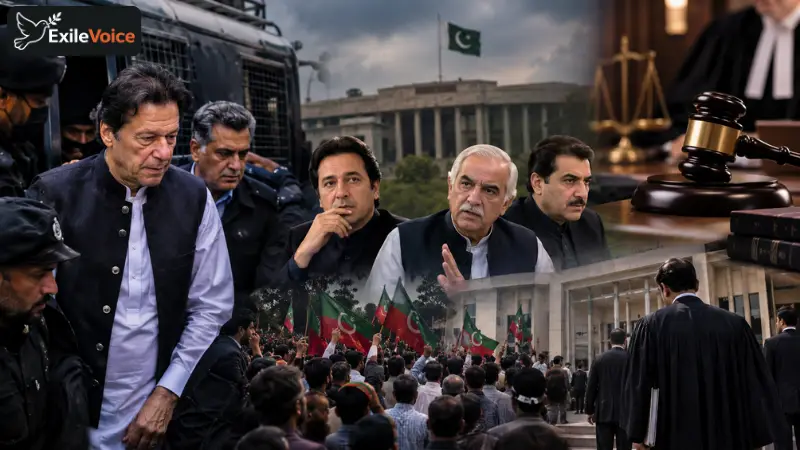
The political and legal landscape in Pakistan, particularly in Punjab, is witnessing a controversial transformation. Reports indicate that a new legislative bill, currently moving through the committee stage, is poised to grant sweeping powers to state authorities under the guise of curbing "anti-social behavior." This proposed legislation draws inspiration from historical colonial-era tools, specifically the Criminal Tribes Act of 1871 and the Habitual Offenders Act of 1918, combined with the 1959 Gunda Ordinance.
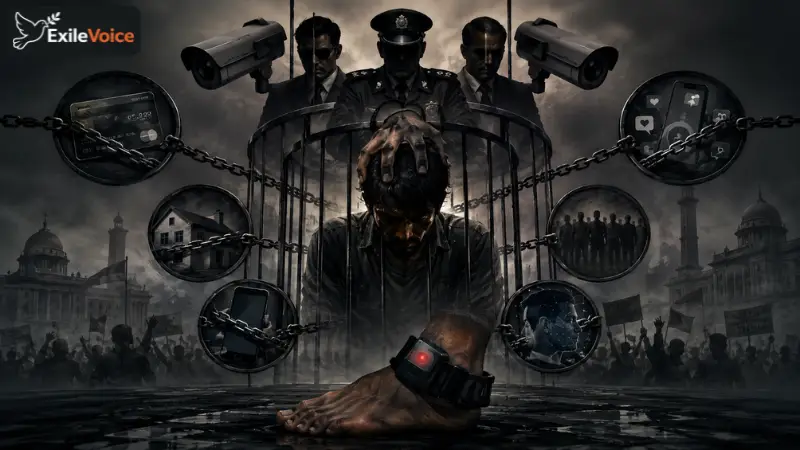
The core of this bill involves the establishment of district-level intelligence committees composed of police, ISI, and IB officials. These committees are granted the authority to label any individual as a potential threat. Once classified, the state can initiate a series of restrictive measures that effectively amount to "social cancellation." These include freezing personal bank accounts, seizing property, banning internet and social media access, confiscating mobile devices, and mandating electronic monitoring through ankle bracelets.
The scope of "crimes" that could trigger these penalties is alarmingly broad. Activities such as public profanity, spreading "misinformation" on social media, or even allegations of cruelty to animals are included in the list. Furthermore, the bureaucracy retains the power to expand this list at will. The implications of this are profound; such legislation provides a mechanism for the state to silence dissent by rendering individuals non-functional in modern society.
Critics argue that this bill reflects a shift toward total control, effectively creating a "jungle" where the right to expression is entirely suppressed. The ability for authorities to monitor citizens, collect DNA, and cancel national identity cards without rigorous due process raises significant human rights concerns. As this bill approaches the floor of the provincial assembly, it signals a potentially dark chapter for civil liberties in Pakistan, where state-sanctioned surveillance could become the new norm for managing political and social opposition.