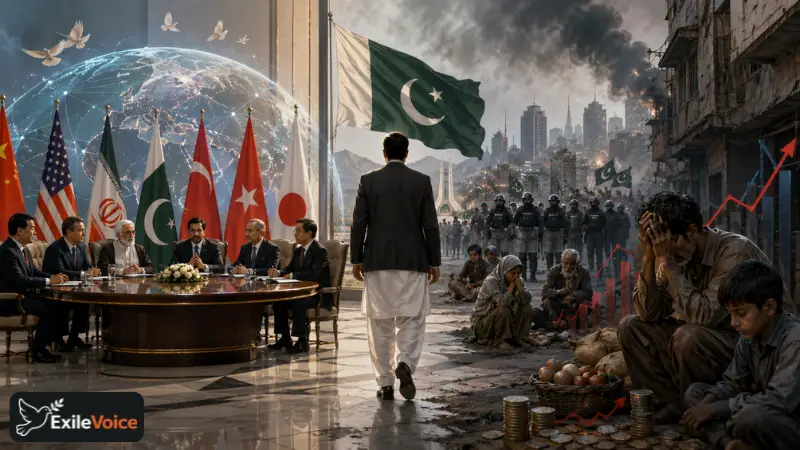
In an era defined by volatile geopolitical shifts, Pakistan has recently emerged as an unlikely but pivotal mediator in a potential global conflict. The nation, often grappling with its own internal instabilities, successfully facilitated a crucial diplomatic bridge to prevent a massive escalation in the Middle East. This mediation effort, centered around brokering a understanding between major international actors, has drawn commendations from global leaders, ranging from the United States to China, and even regional players like Turkey and Japan.
The diplomatic landscape in the region has been characterized by deep-seated distrust and proxy warfare. Iran, a key player in this tension, has historically maintained a cautious relationship with Pakistan, largely due to shared border concerns and a substantial Shia population within Pakistan. Conversely, Pakistan's strategic relationships with both Western powers and regional stakeholders provided the necessary leverage to host talks and navigate this sensitive diplomatic path.
The mechanism of this mediation involved a combination of "shuttle diplomacy" and high-level strategic alignment. Representatives from Pakistan, including top political and military leadership, engaged in a series of visits to key capitals, acting as a reliable channel between otherwise adversarial sides. The success of this initiative is attributed to a multi-faceted approach: leveraging existing trust, addressing core security concerns, and maintaining a delicate balance between conflicting interests.
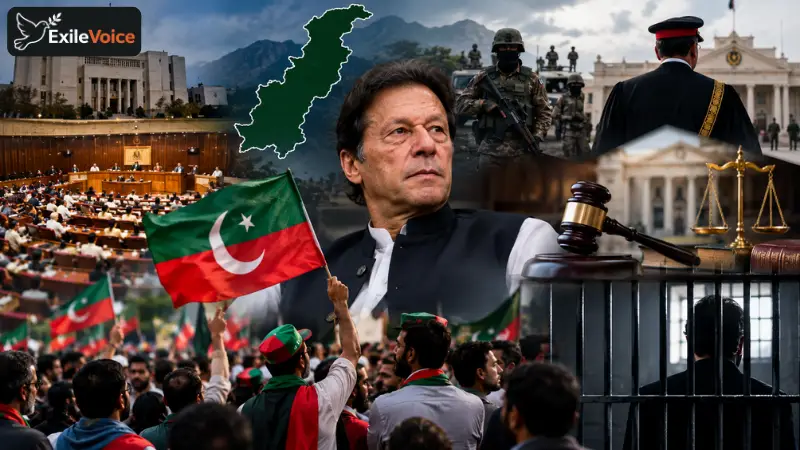
However, the international acclaim stands in sharp contrast to the domestic reality within Pakistan. While the global community celebrates a landmark peace agreement, the internal situation remains grim. Economic pressures, characterized by persistent inflation and high interest rates, continue to burden the average citizen. Furthermore, the country faces internal security challenges, with ongoing debates about the state's handling of civil grievances, issues of law and order, and political stability.
The dichotomy is stark: Pakistan is being praised for saving the world from a potential third world war, averting a crisis that could have decimated the economies of nearly 150 nations, while its own population struggles with fundamental issues of governance, economic inequality, and judicial and police accountability. The "hard state" approach, which often prioritizes perceived national security over civil dissent, has fueled internal criticism, with analysts questioning whether the current governance model can bridge the gap between global diplomatic prestige and domestic prosperity.
As the international community watches this diplomatic process unfold, the true test for Pakistan lies not just in the success of its external negotiations, but in its ability to reconcile this newfound global respect with the urgent need for domestic reform, economic stabilization, and the preservation of democratic norms.