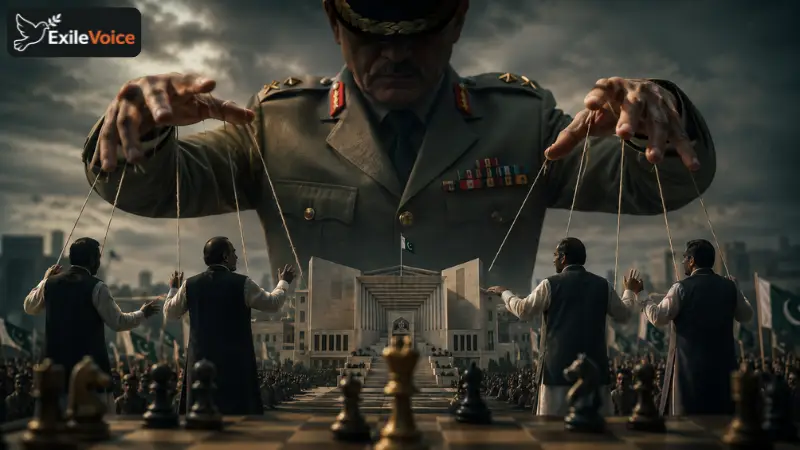
The political climate in Pakistan remains characterized by complex, multi-layered power dynamics that appear to be orchestrated from behind the scenes. Recent developments suggest that the nation’s political parties, including the Pakistan Peoples Party (PPP) and the Pakistan Muslim League-Nawaz (PML-N), are navigating a strategic environment heavily influenced by military leadership. The prevailing analysis indicates that these parties are being maneuvered into specific roles, often under the guise of independent political action, to achieve broader objectives set by the military establishment.
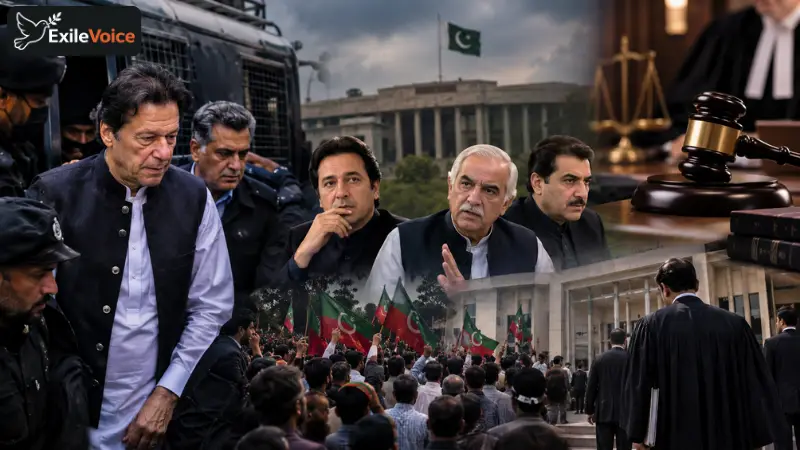
One of the central themes currently dominating the discourse is the relationship between the military and the Pakistan Tehreek-e-Insaf (PTI). Observers have noted that while PML-N and PPP appear to have engaged in separate communications with PTI, these interactions are not necessarily signs of genuine political reconciliation. Instead, they are interpreted as tactical components of a larger strategy to secure specific outcomes, such as support for constitutional amendments. The narrative of independent party rivalry is often described as a facade, masking a coordinated effort to control the political environment and maintain a specific power structure.
The military’s approach is described as a multi-pronged offensive, akin to tactical warfare, where different parties are assigned distinct objectives to target a central goal, in this case, pressuring PTI to align with the military's agenda. By engaging different parties, the establishment ensures its influence remains pervasive, creating an environment where political actors feel compelled to negotiate under duress. This pattern is not new, and historical examples, such as the situation leading to the independence of Bangladesh, are frequently cited to illustrate the risks associated with such centralized control and the exclusion of popular political will.
Furthermore, the public perception of these parties is often heavily managed through media channels, where specific statements are promoted to either discredit political leaders or to justify the military's ongoing involvement. For instance, statements suggesting that political figures would be harsher or more vengeful if they regained power serve as a strategic tool to generate fear and maintain the status quo. Such narratives are designed to influence public opinion, steering it toward the belief that the current administration, or the influence of the military, is a necessary stabilizing force against perceived political instability.
The economic situation, marked by rising debt levels and the frequent extension of tenure for key government and military officials, further complicates the political scene. The reliance on these "extensions" is presented as a systemic issue, creating a scenario where the entire governance structure becomes fragile. Ultimately, the analysis suggests that political power in Pakistan is currently defined not by democratic mandate, but by the ability of the military establishment to effectively manage and manipulate political actors to maintain their position.