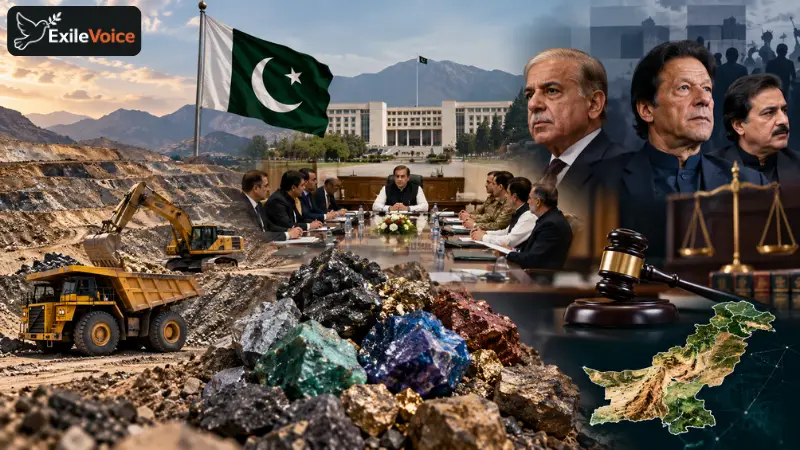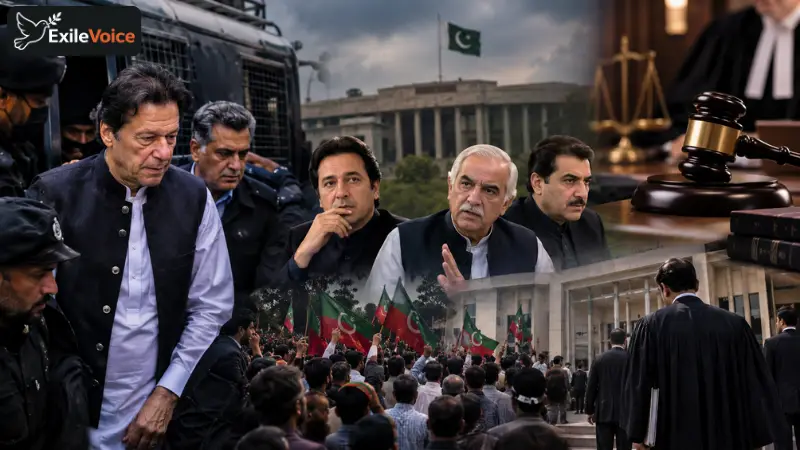
The political landscape of Pakistan continues to experience significant turbulence, marked by widespread detentions of key political figures, legal challenges, and restructuring within regional administrations. Recent court proceedings have brought to light the confinement of several high-profile leaders, including former chief ministers and regional party representatives, amid ongoing political confrontations. Legal representatives and defense counsels have raised procedural concerns regarding the handling of these cases, pointing to frequent delays and additional investigative hurdles.
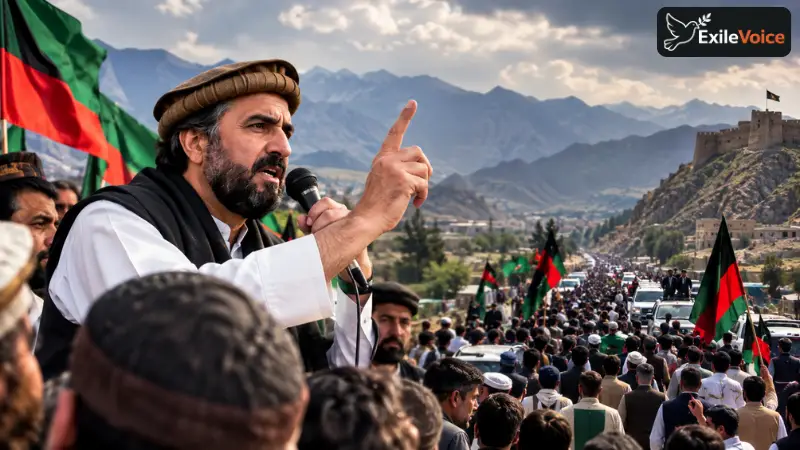
At the same time, political parties face internal adjustments as factions debate strategy regarding public mobilization, legislative engagement, and opposition tactics. While some political actors advocate for sustained pressure through public demonstrations, others emphasize the necessity of institutional dialogue and negotiation. These contrasting viewpoints have created internal friction, influencing the overall trajectory of political opposition movements. As judicial authorities process various cases involving political workers and leadership figures, the broader implications for democratic norms and civil liberties remain a central focus for legal analysts and political observers alike.