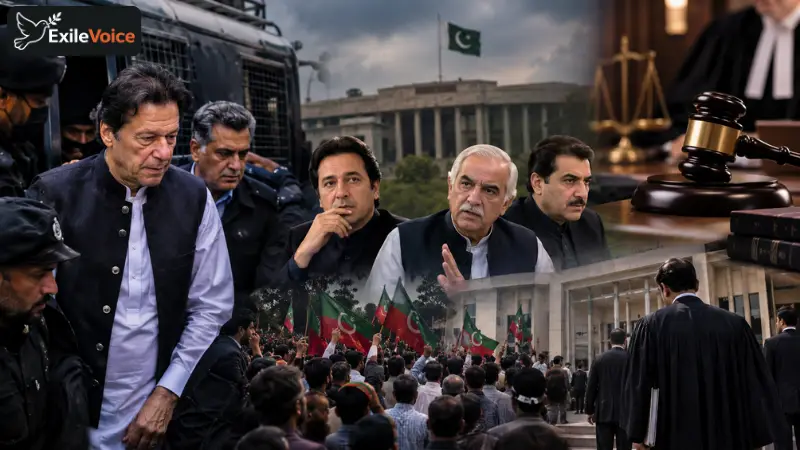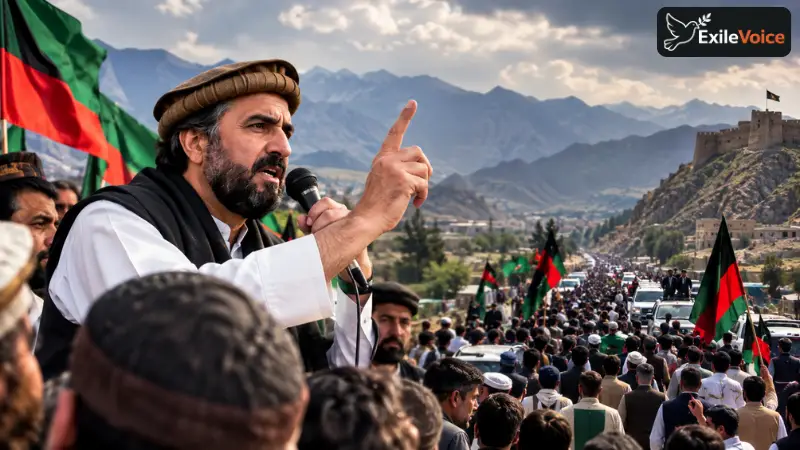
The political landscape of Khyber Pakhtunkhwa is witnessing a renewed wave of agitation as Member of National Assembly Iqbal Afridi announced the launch of a fresh long march. This decision comes at a critical juncture when local political structures and regional governance face intense friction and strategic maneuvers from central establishments. Afridi has remained steadfastly connected with party workers throughout the ongoing political crisis, earning notable backing from grassroots supporters.
The announcement arrives amidst a backdrop of strategic realignments and concerted political pressures aimed at shifting regional dynamics. Observers note that while previous protests faced organizational and logistical hurdles, the commitment of local leaders and workers to mobilize remains a vital factor in sustaining political resistance. Analysts suggest that community backing and coordinated leadership will be essential determinants of whether this renewed long march achieves its intended objectives or encounters administrative blockades.
Furthermore, regional security concerns and administrative shifts continue to shape the political discourse in the province. The unfolding developments highlight the complex interplay between parliamentary politics, public mobilization, and institutional oversight in Pakistan's current governance framework.