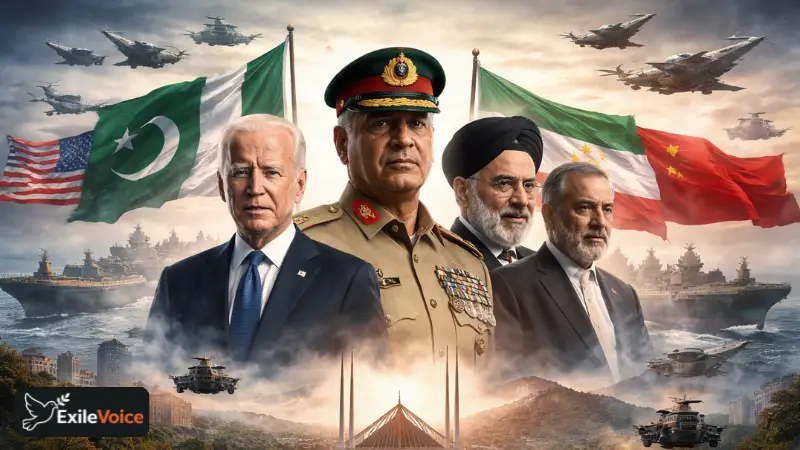
The geopolitical landscape of South Asia and the Middle East is undergoing a significant transformation, marked by a rare alignment of interests between the United States and Iran, with Pakistan playing a pivotal role as a mediator. Recent statements from US leadership regarding a potential deal with Iran over its nuclear program suggest a shift toward de-escalation in the region. Central to this shift is the emergence of Pakistan’s military leadership as the primary point of contact for international diplomacy.
The diplomatic protocol observed during recent high-level meetings between Pakistani officials and Iranian leadership indicates a transition in how Pakistan is represented on the global stage. Historically, civilian leaders occupied the primary seat in sovereign discussions. However, the recent trend shows a "de facto" representation where military heads are accorded the protocol of a head of state. This shift is not merely symbolic; it reflects the international community’s recognition of where the decision-making power currently resides within Pakistan’s complex power structure.
Iran’s public acknowledgment and specific gratitude toward Pakistan's military leadership for mediating the Lebanon ceasefire further solidify this trend. By bypassing traditional civilian diplomatic channels, regional powers are signaling a preference for direct engagement with the military establishment. While this may streamline security-related negotiations, it poses long-term questions regarding the evolution of Pakistan’s democratic institutions and the future role of the civilian government in foreign policy.
Simultaneously, the United States continues to expand its strategic footprint in the South China Sea to counter-balance regional rivals. The establishment of new military bases in the Philippines underscores a commitment to protecting trade routes that are vital to global commerce. For Pakistan, this global maneuvering creates a delicate balancing act. As a nation situated at the crossroads of these competing interests, Pakistan must navigate its relationships with the US, China, and Iran with high precision. The potential for a visit from a US President to Pakistan, as hinted at in recent diplomatic circles, would mark a definitive moment in re-establishing Pakistan's strategic relevance, though it remains to be seen how this will impact the domestic political equilibrium.