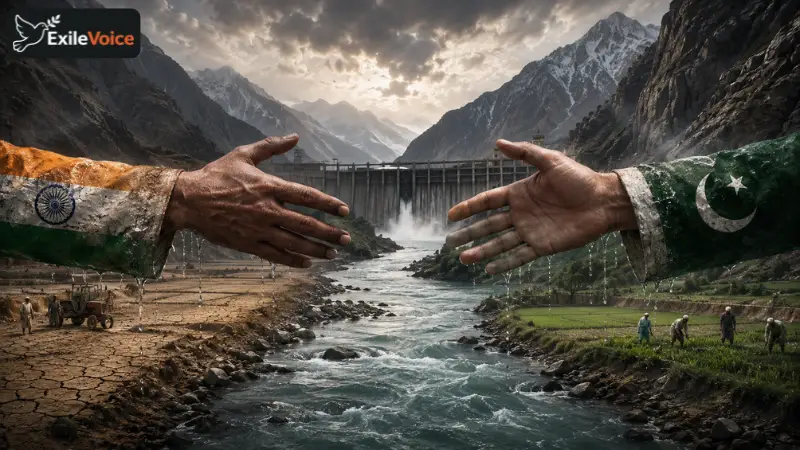
The Indus Waters Treaty (IWT) of 1960, brokered by the World Bank, has long been regarded as a robust framework for managing the water resources of the Indus River system between India and Pakistan. Despite multiple wars, border conflicts, and periods of severe diplomatic tension, including the 1965 and 1971 conflicts, the Siachen standoff, and the 2019 escalation, the treaty has remained a resilient, albeit strained, instrument of conflict prevention. However, recent developments have transformed water security from a matter of routine administrative cooperation into a potential catalyst for existential confrontation.
For Pakistan, the Indus Basin is more than just a hydrological resource; it is foundational to its national security and economic stability. Approximately 240 million people rely on this river system, and it sustains over 80 percent of the nation’s arable land. With agriculture accounting for nearly a quarter of Pakistan’s GDP and a third of its employment, water variability directly correlates with national stability. Recent concerns stem from what Pakistani officials describe as a "lack of response" from India regarding critical data sharing, particularly concerning the Chenab River. Accurate, real-time data regarding water flow, fluctuations, and reservoir operations is essential for downstream states to manage agricultural output, prevent flooding, and mitigate potential droughts.
The situation has been exacerbated by aggressive rhetoric from both sides of the border. Following the 2023 Pahalgam attack, India’s approach to the treaty shifted toward a stance of non-cooperation, with officials making public statements regarding the potential withholding of water. From the Pakistani perspective, such threats, and the perceived "weaponization" of water, constitute a departure from diplomatic norms and a direct challenge to the survival of the state’s agricultural infrastructure.
Legal experts and officials emphasize that the Indus Waters Treaty is a binding agreement that cannot be unilaterally suspended or abrogated. Article 12 of the treaty specifies that it remains in force unless both nations mutually agree to replace it. The current impasse, characterized by a lack of communication and the rejection of established arbitration mechanisms, risks destabilizing the region further. In an era of climate change, melting glaciers, and rising water scarcity, the political exploitation of water resources represents an dangerous escalation. Ensuring the longevity of this framework requires a shift away from confrontational posturing and a return to the established rules of engagement, data transparency, and technical cooperation. The survival of millions, rather than the political optics of the day, must remain the paramount consideration for both Islamabad and New Delhi.