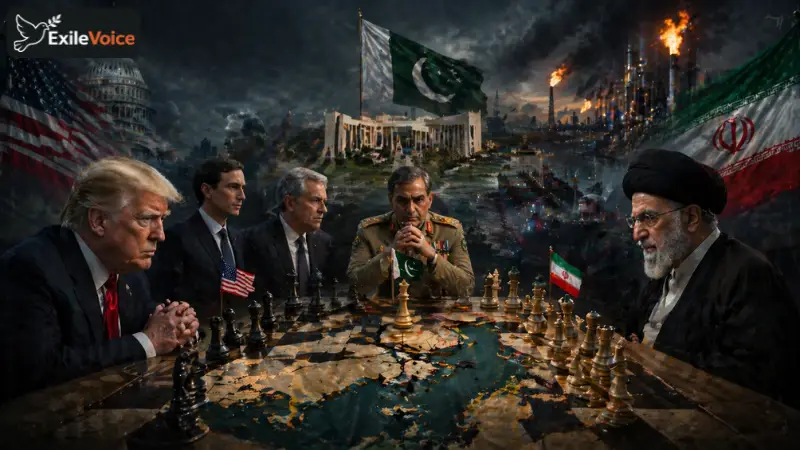
Pakistan’s aspirations to serve as a central mediator between the United States and Iran are facing a critical reality check. Following the recent diplomatic flurry in Islamabad, significant friction has emerged between the negotiating parties, highlighting the complexities of "back-channel" diplomacy in the digital age.
The situation intensified after President Donald Trump announced the suspension of a high-level mission to Islamabad, which was to be led by Jared Kushner and Steve Witkoff. Trump’s rationale centered on a refusal to engage in exhaustive "18-hour flights" for mediation when the U.S. believes it holds a strategic advantage. Instead, the U.S. administration has signaled a preference for direct communication via telephone, effectively bypassing the physical "hosting" role Pakistan sought to provide.
A significant point of contention has been the perceived "over-spinning" of the diplomatic process by Pakistani state institutions. Reports indicate that the Iranian delegation, led by President Raisi, felt slighted by the premature leaking of "logistical readiness" and "imminent deals" through Pakistani media channels and WhatsApp briefings attributed to the ISPR. This perceived breach of confidentiality led the Iranian side to issue a firm disclaimer, stating their visit was focused on "mutual matters" rather than forced negotiations.
The core of the impasse remains a three-pronged conflict: the U.S. blockade, the closure of the Strait of Hormuz, and Tehran's long-standing nuclear program. While Pakistan has successfully positioned itself as a "linchpin" with access to both sides, the recent breakdown suggests that "excitable mediation" may have backfired. The Iranian leadership, facing its own internal divisions between hawks and pragmatists, has signaled that it will not be pressured into "forced negotiations" under the glare of a media circus.
As the methodology of these talks shifts from physical summits to digital and telephonic diplomacy, Pakistan's role remains relevant but diminished. The challenge for Islamabad now is to move beyond the desire for a "place in the sun" and manage the delicate technicalities of high-stakes diplomacy without compromising the trust of its neighbors or its strategic partners in the West.