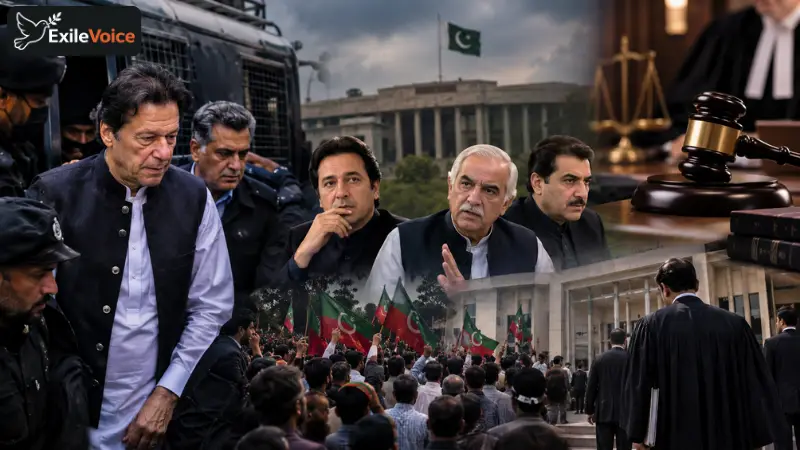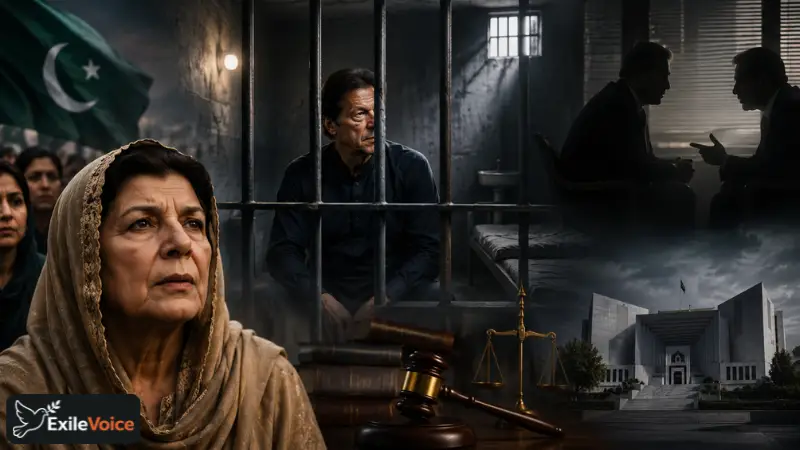
The current political climate in Pakistan remains heavily anchored to the ongoing legal saga of former Prime Minister Imran Khan. The situation has intensified as his sister, Aleema Khan, filed a petition through Barrister Salman Safdar in the Islamabad High Court. The core of this legal challenge addresses the conditions of Khan’s imprisonment, specifically citing prolonged solitary confinement. The petition alleges that for over six months, Khan has been denied access to family, legal counsel, and party members, with reports suggesting he is held in isolation for up to 22 hours a day.
The petitioners argue that these measures are intended to exert mental pressure on the former leader, constituting a violation of both the Constitution of Pakistan and various international human rights conventions to which the state is a signatory. Parallel to the courtroom proceedings, a narrative of political maneuvering has emerged. Reports surfaced alleging that the government, through Interior Minister Mohsin Naqvi, reached out to legal representatives offering a meeting for another of Khan’s sisters, Noreen Niazi, contingent upon her submitting a formal application to the Adiala Jail superintendent.
This offer was refused. The refusal stems from a strategic concern: legal representatives and family members fear that submitting such an application would set a legal precedent. By applying, they argue, they would be tacitly acknowledging that the jail superintendent holds the discretionary power to grant or deny access, potentially undermining the standing Islamabad High Court orders that already mandate weekly visitations. The situation reflects a deeper, systemic struggle where the legal rights of a high-profile prisoner are being weighed against institutional power dynamics. Analyst observations suggest that Aleema Khan’s handling of this ordeal over the past three years, approaching the three-year mark since August 2023, has been noted for its persistence and resilience in the face of significant pressure.