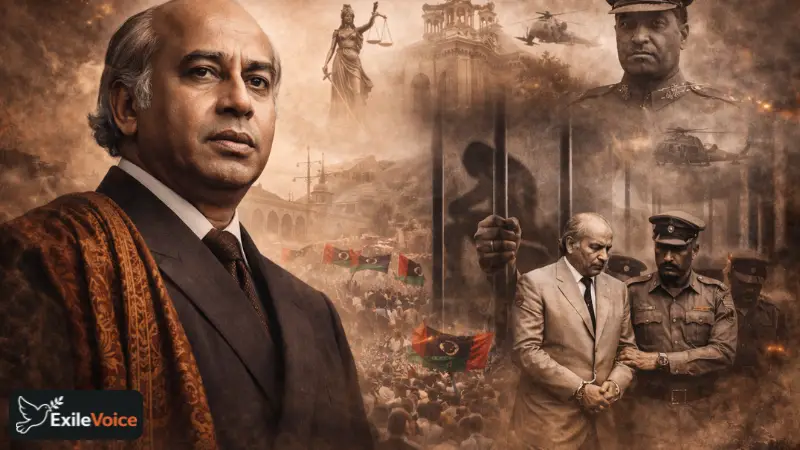
The date of April 4 holds a profound and somber place in the collective memory of Pakistan, marking the anniversary of the execution of Prime Minister Zulfikar Ali Bhutto in 1979. Bhutto, a twice-elected leader recognized for his intellectual depth and global diplomatic standing, was executed under the orders of military dictator General Zia-ul-Haq following what is now widely characterized as a judicial murder. This event introduced a lasting legacy of state-sponsored coercion and shifted the trajectory of Pakistani democracy for decades.
Bhutto's execution is often analyzed through the lens of institutional preservation. While various conspiracy theories implicate external actors, the primary driver was the domestic military establishment's need to secure its grip on power against a popular civilian leader. Bhutto’s greatest legacy remains his post-1971 diplomatic triumph,the Simla Agreement. Following the catastrophic loss of East Pakistan, he successfully negotiated the release of 93,000 prisoners of war and prevented war crime trials for 193 military officers, showcasing a level of statecraft that preserved national honor in a moment of absolute defeat.
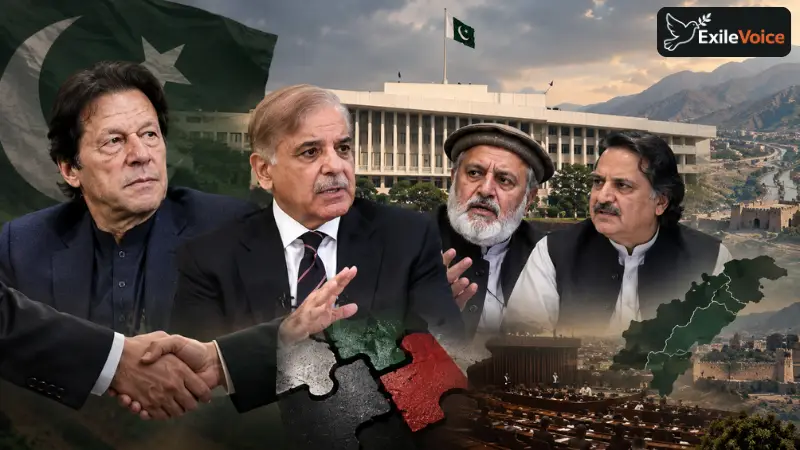
Drawing parallels to the modern era, the current political landscape in Pakistan sees a similar pattern of confrontation between popular leadership and the establishment. The prolonged incarceration of former Prime Minister Imran Khan echoes the historical attempts to sideline leaders who command significant public support. The use of judicial processes to achieve political ends remains a recurring theme. Understanding this history is essential for the Pakistani public to navigate contemporary propaganda. By examining how narratives were manipulated in 1971 and 1979, citizens can better assess the current state of governance and the enduring struggle for civilian supremacy in the face of institutional dominance.