

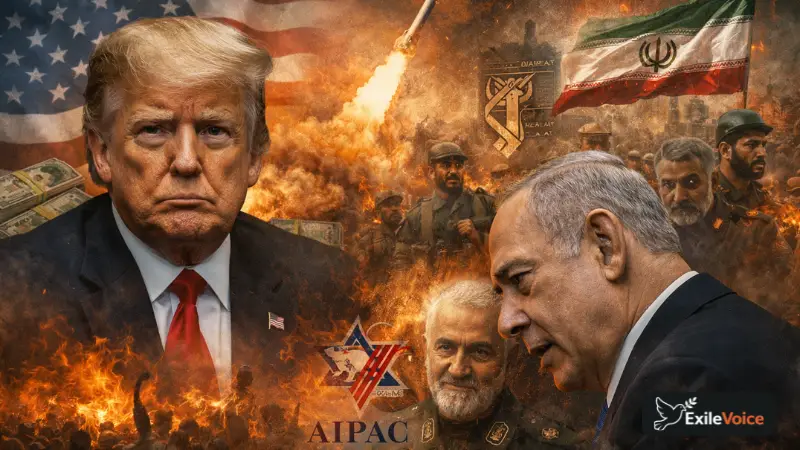
The current escalation in the Middle East, marked by direct military confrontations between Israel and Iran, is not merely a sudden eruption of hostilities but the culmination of a decades-long strategic pursuit. For over 40 years, various geopolitical actors have sought to dismantle the Islamic Revolutionary government in Iran. However, historical records indicate that previous American administrations, including those of Presidents Obama and Biden, consistently resisted being drawn into a full-scale regional war. This pattern shifted significantly under the presidency of Donald Trump, who found himself navigating an intricate web of influence woven by a powerful Israeli lobby.
Expert analysis suggests that Israeli intelligence agencies, particularly Mossad, have long maintained specialized units dedicated to the psychological profiling of world leaders. These units began focusing on Trump as early as 2015, recognizing his unique personality traits and susceptibility to specific types of pressure. By identifying his "deal-maker" persona and his eventual pivot toward viewing Palestinian leadership and Hamas as the primary "evils" in the regional system, the lobby was able to steer the administration onto an escalatory path.
A critical turning point in this relationship was the assassination of Qasem Soleimani in January 2020. While the administration cited immediate threats to American interests, subsequent intelligence reviews suggest that some of the provocations attributed to Iranian militias were actually carried out by other regional actors with divergent interests. Furthermore, the lobby utilized psychological tactics to convince Trump that the Iranian Revolutionary Guard (IRGC) was actively plotting his personal assassination. This fear was reinforced by high-profile media narratives, such as the arrest of Pakistani immigrant Asif Merchant, which were framed as direct Iranian hits against the President.
This atmosphere of pervasive threat, combined with hundreds of millions of dollars in campaign contributions from pro-Israel donors, created a "trap" for the President. Despite his "Make America Great Again" (MAGA) base being staunchly anti-war, Trump was forced into a position where he felt compelled to act against Iran to ensure his own safety and political survival. Prominent commentators like Tucker Carlson have noted that while Trump personally wished to avoid a regional conflagration, the psychological and financial pressures from lobbyists proved insurmountable, leading to the collapse of the Joint Comprehensive Plan of Action (JCPOA) and the onset of the current military crisis.

