In the complex tapestry of Middle Eastern politics, an old adage resonates with increasing clarity: "a victim of one's own success." This phrase, suggesting that past achievements can trap a nation in an unsustainable paradigm, currently defines the geopolitical standing of Israel in relation to the United States. While Israel has long relied on its reputation as a highly competent, brave, and efficient strategic ally, the changing landscape of the region is forcing a profound reassessment of this special relationship.
Following the 1967 Arab-Israeli War, the American establishment, intelligence community, and strategic thinkers identified Israel as a vital asset. During the Cold War, Israel served as an effective counterweight to Arab states that were heavily aligned with, and supplied by, the Soviet Union. However, the collapse of the Soviet Union in the early 1990s and the subsequent dissolution of its spheres of influence, including the neutralization of client states like Iraq and Syria, fundamentally altered the strategic necessity of Israel for the U.S.
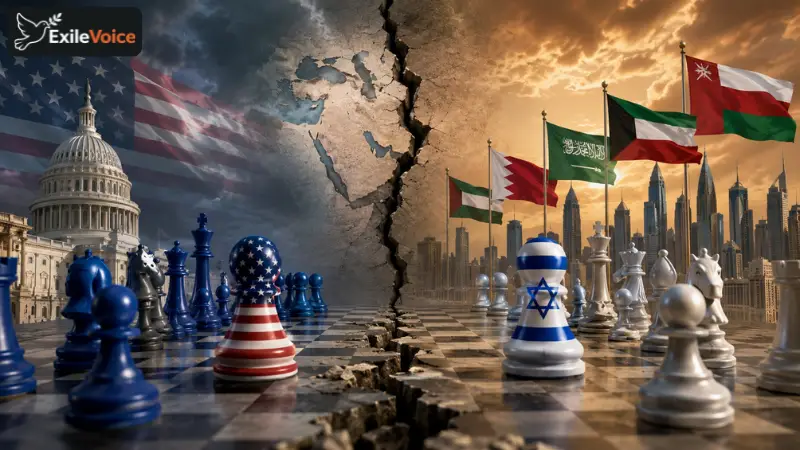
Today, the remaining Arab states in the region, such as Saudi Arabia, Bahrain, Kuwait, Oman, and the UAE, are firmly within the American orbit. With the traditional "Soviet-era" threats to U.S. hegemony largely evaporated, Israel’s role as the primary strategic bulwark for American interests is being questioned.
This shift has been accelerated by the 2023 Gaza conflict and ongoing tensions with Iran. A growing faction within the American political class increasingly views Israel as a diplomatic and strategic liability rather than an asset. As the U.S. navigates its own internal political challenges, including upcoming midterm elections, there is palpable frustration with Israeli policies that seem to contradict broader American interests. The recent aggressive rhetoric from Israeli cabinet members regarding Lebanon has further strained these ties.
Ultimately, Israel finds itself in a precarious position where its historical successes have led to an intellectual "hangover" in Washington. The narrative that Israel is indispensable is fracturing, and as normalization with regional players continues, the strategic rationale for the existing U.S.-Israel dynamic is being rapidly dismantled.