

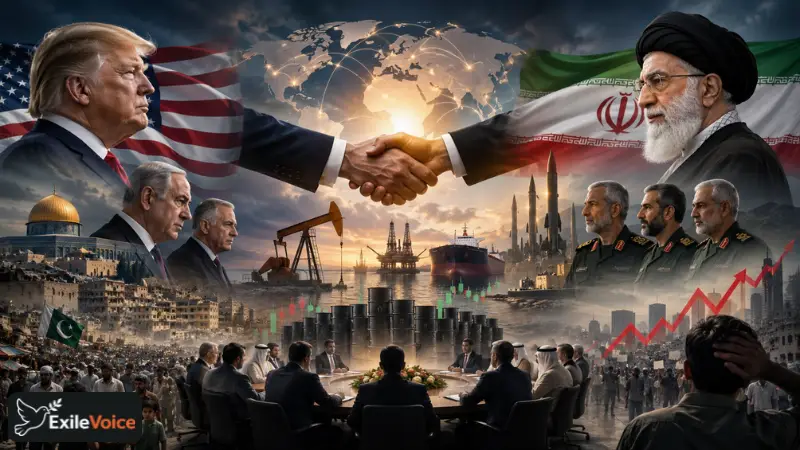
The recent conclusion of an agreement between the United States and Iran marks a significant pivot in global geopolitics. While the full scope of the deal involves complex diplomatic maneuvers and intense criticism from various factions, its immediate impact has been felt across global markets. The cessation of hostilities, though currently framed as a pause rather than a permanent resolution, has already influenced oil prices and market stability.
Donald Trump, in his role as a key player in this development, finds himself under scrutiny. Critics, including conservative voices, argue that the terms of the deal do not reflect a clean victory or a definitive exit strategy, leading to a precarious situation in the upcoming months. The "14-point deal" covers critical areas such as regional stability, economic sanctions, and the ongoing concern surrounding Iran’s nuclear capabilities.
A major component of this agreement is the lifting of economic blockades, which has long been a point of contention and deemed an "act of war" by Iran. For Iran, the ability to sell oil on the global market again represents a major economic relief. Conversely, this development has created tension within the US-Israel relationship. Israel, a key US ally in the Middle East, has expressed significant dissatisfaction with the terms, particularly the lack of rigid constraints on Iran’s ballistic missile program.
For Pakistan, the situation presents a paradoxical reality. On a global stage, the country has been acknowledged as a crucial mediator, enhancing its diplomatic stature. However, this global recognition does not necessarily translate to domestic relief. The internal economic and social challenges in Pakistan remain stark, and the diplomatic success does not immediately alleviate the hardships faced by the general population, such as inflation and issues within the judicial and political landscape. As the deal enters its next phase, the focus remains on whether this diplomatic moment can lead to sustainable progress or if it will be overshadowed by continued regional rivalries and internal political volatility.

