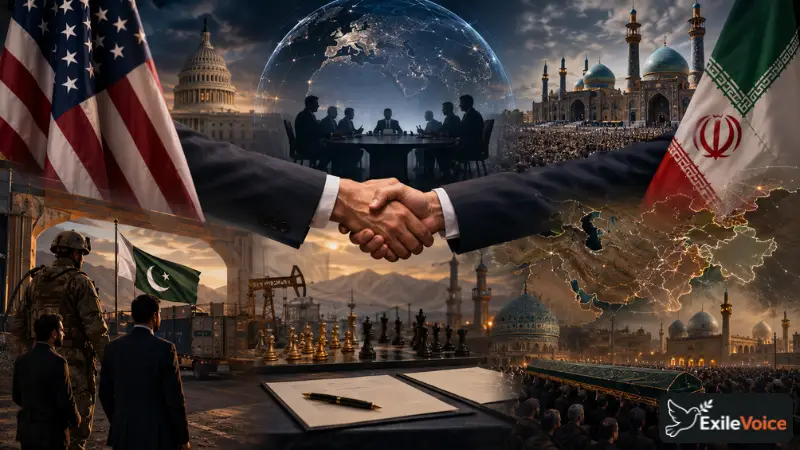
The landscape of global diplomacy is witnessing a profound shift as reports intensify regarding a comprehensive agreement between the United States and Iran. Observers of international statecraft note that negotiations of this magnitude rarely proceed linearly, and the final stretch is consistently defined by strategic leaks, narrative control, and calculated delays. Recent updates indicate that a 14-point framework, leaked primarily via regional news outlets, forms the bedrock of the discussions. Although Western officials have historically downplayed the specific concessions embedded within these points, asserting that the draft disproportionately favors Iranian strategic positions, the underlying momentum suggests that a formal signing is imminent.
The timing of the potential announcement highlights the theatricality often embedded in modern international relations. High-level leaks suggest that the American administration sought to align the signing ceremony with highly specific domestic and personal milestones to maximize media coverage and cultivate a powerful narrative of diplomatic triumph. Conversely, Tehran has historically demonstrated a acute aversion to allowing external adversaries to dictate the public relations narrative. Regional intelligence channels report that Iranian decision-makers deliberately delayed final authorizations specifically to disrupt Washington's carefully choreographed media rollout, ensuring that the agreement is perceived as a product of mutual necessity rather than a unilateral concession.
Beyond the public optics, the negotiation process itself offers a fascinating study in psychological profiling and unconventional diplomacy. Sources familiar with Middle Eastern diplomatic missions reveal that Iran integrated senior behavioral psychologists directly into its core negotiating team. This tactical inclusion was prompted by an institutional assessment that messages radiating from Washington were increasingly erratic, signaling a degree of psychological instability within the highest echelons of American leadership. To mitigate the risk of catastrophic misunderstandings or impulsive reactions from the American executive, these behavioral specialists were tasked with reviewing and restructuring all outgoing correspondence. The objective was to frame complex diplomatic rebuttals in a manner that would minimize emotional provocation while preserving the core strategic objectives of the Iranian state.
While global powers focus on the primary signatories, the operational mechanics of the deal heavily involve regional conduits. Inside Pakistan, high-profile administrative and state actors have openly signaled their involvement, noting that senior executive representatives and military figures are actively facilitating aspects of the transition. This indicates that the deal carries deep economic and security implications for neighboring states, particularly concerning energy corridors, border security management, and regional trade balances. Furthermore, domestic political figures within Pakistan are adjusting their public posturing in alignment with this shifting global axis. The sudden public transition of historically conservative political actors toward a more secular, internationalist stance, highlighted by the unusual public referencing of Western theological texts regarding peacemaking, underscores the domestic pressure to appear aligned with an impending Western-backed regional settlement.
Simultaneously, Iran is managing internal transitions that carry deep symbolic weight for its population and regional proxies. The formal announcement of a multi-day state funeral and public commemoration schedule for the supreme leadership, slated to culminate in a final burial adjacent to major historical and religious sanctuaries in Mashhad, represents a critical moment for internal consolidation. The protracted timeline between the initial loss of leadership and the finalized public ceremonies reflects the complex security calculations required to prevent external disruption during a period of vulnerability. By orchestrating a highly structured, multi-city mourning process spanning Tehran, Qom, and Mashhad, the state is actively reinforcing institutional continuity and national resilience, even as it navigates the final, volatile stages of a transformative international treaty with its historic adversary.