In a dramatic escalation of international tensions, the global community is currently fixated on a ticking clock as President Donald Trump’s self-imposed deadline for Iran approaches. This high-stakes standoff, characterized by aggressive rhetoric and a breakdown in diplomatic back-and-forth, has reached a critical juncture. At the heart of the current crisis is a series of "proposals and counter-proposals" that have failed to bridge the chasm between Washington and Tehran.
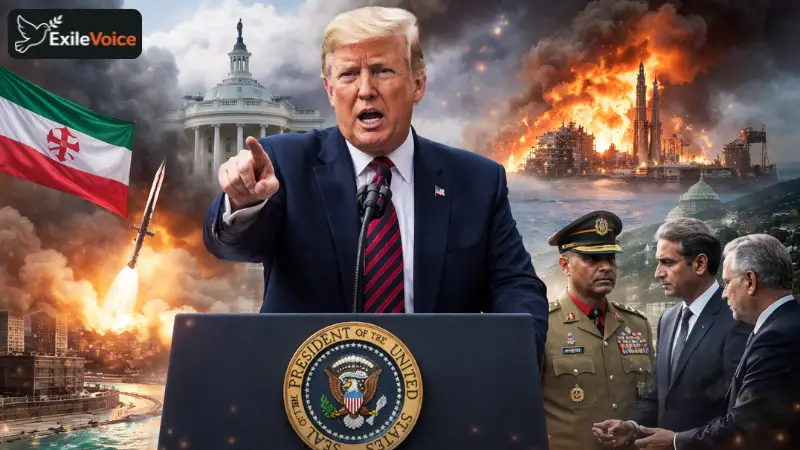
The atmosphere in Washington D.C. is electric, marked by an emergency press conference at the White House, a rare Monday afternoon event that underscores the severity of the situation. Reports indicate that President Trump has flatly rejected Iran’s ten-point counter-proposal, labeling it "not good enough." Conversely, Tehran has rebuffed Washington’s demands, leading to a stalemate that many fear could ignite a major kinetic conflict within hours.
President Trump’s rhetoric has moved beyond traditional diplomatic posturing into the realm of explicit threats against civilian infrastructure. In a series of provocative statements, the President warned of targeting Iran’s power plants, bridges, and hospitals. Such threats have not only rattled global markets, which are currently experiencing significant volatility, but have also sparked a fierce internal debate within the American establishment. Critics and legal scholars are raising the specter of "war crimes," questioning the legality of orders that target non-military sites.
Interestingly, this geopolitical theater has a regional mediator: Pakistan. General Asim Munir and the Pakistani diplomatic corps have reportedly spent "all night" engaged in shuttle diplomacy, attempting to facilitate a breakthrough. While some segments of the Pakistani media are quick to hail this as a victory for Pakistani diplomacy, the reality on the ground remains grim. The rejection of peace proposals by both major parties suggests that the "Islamabad Accord" remains an elusive dream.
As the deadline looms, the world watches to see if this is a masterclass in "the art of the deal" through maximum pressure, or a sequence of events leading toward an avoidable catastrophe. With only hours remaining, the margin for error has never been thinner.