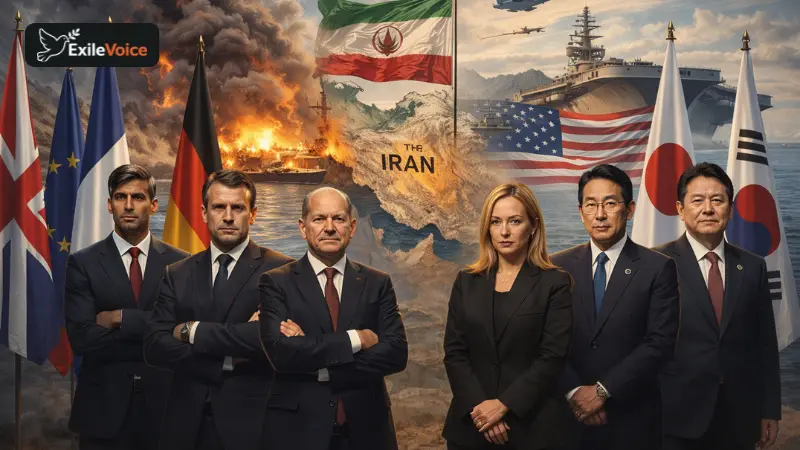
The geopolitical landscape is undergoing a significant transformation as the United States navigates a period of heightened tension with Iran. Historically, the U.S. has relied on a robust network of allies to bolster its military and diplomatic initiatives in the Middle East. However, recent developments suggest a widening rift between Washington and its traditional European and Asian partners. Major powers including France, Germany, Italy, and Spain have expressed a distinct reluctance to participate in or endorse a military escalation against Iran.
France and Italy, in particular, have taken independent diplomatic steps, engaging in direct communication with Iranian leadership. These discussions appear focused on ensuring the safety of their own commercial interests, specifically the passage of oil tankers through the Strait of Hormuz. This bilateral approach signals a departure from a unified Western front, suggesting that European nations are prioritizing regional stability and their own economic security over collective military action led by the U.S.
The hesitation is not limited to Europe. Key Asian allies such as Japan and South Korea have also signaled a cautious stance, indicating they do not wish to be drawn into a conflict that could further destabilize global energy markets. Even the United Kingdom, traditionally the most steadfast ally of the U.S., has shown a degree of distancing, with its leadership opting for a more measured approach.
This shift in alliance dynamics is further complicated by the domestic situation within the United States. Public opinion polls suggest a low appetite for a new ground war in the Middle East, with only a small fraction of the American public supporting the deployment of troops to Iran. This lack of domestic consensus, combined with the loss of international support, has created a challenging environment for the U.S. administration. As the narrative of a quick, "weekend-style" intervention fades, the reality of a prolonged and isolated conflict becomes more apparent, forcing a potential reassessment of U.S. foreign policy strategies in the region.