The geopolitical landscape of the Mediterranean is undergoing a subtle yet profound transformation, characterized by shifting alliances and the creation of new strategic theaters. Recent developments indicate that India is actively pursuing a "footprint" in the Mediterranean through a burgeoning partnership with Cyprus. This move is not merely a diplomatic gesture but a significant strategic realignment that has caught the attention of regional powers, most notably Turkey.
Historically, Turkey and Pakistan have shared a robust and deep-rooted defense and diplomatic partnership. Turkey has consistently aligned itself with Pakistan on key issues, including the Kashmir dispute, while maintaining a firm stance on its own territorial interests in the Mediterranean, particularly concerning Cyprus. The island of Cyprus remains a flashpoint; the northern part is under Turkish influence, while the southern part maintains strong ties with Greece, Turkey's traditional historical rival.
India’s recent deepening of ties with Cyprus through a comprehensive strategic partnership covers maritime security, cyber defense, counter-terrorism, and connectivity. Crucially, this partnership includes the potential for defense cooperation, with discussions surrounding the possible export of India's advanced BrahMos missile systems to Cyprus. For Turkey, the prospect of an Indian military foothold in Cyprus, an island that Turkey views through a highly sensitive national security lens, is a point of significant friction.
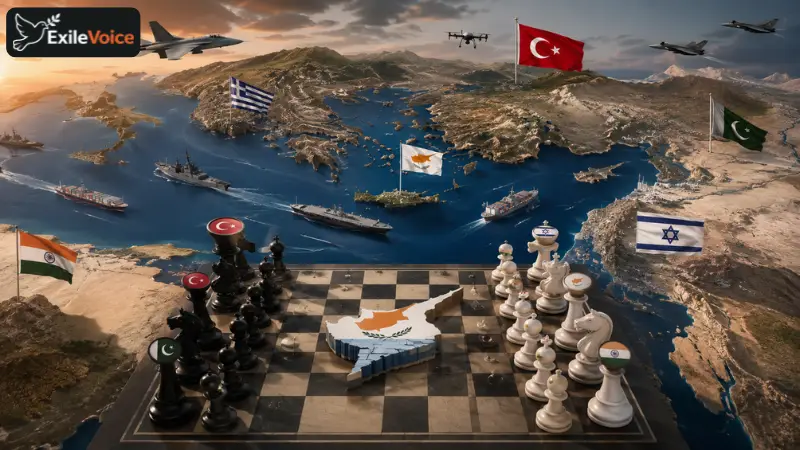
Turkish officials have expressed concern over India’s involvement in the region, urging a more nuanced approach to Mediterranean security dynamics. The friction is exacerbated by the broader alignment of India with Israel, which maintains its own complex relationship with both Greece and Cyprus. This convergence of interests creates a complex "five-way" geopolitical puzzle: the India-Israel axis on one side, the Turkey-Pakistan partnership on the other, the historical Turkish-Greek conflict, and the critical global shipping lanes that pass through the Mediterranean.
For India, this move is part of a broader ambition to enhance its global strategic presence and counter what it perceives as regional isolation attempts. However, as international observers note, these maneuvers risk drawing India into long-standing Mediterranean disputes, potentially complicating its diplomatic balancing act. As Turkey continues to solidify its defense industry ties with Pakistan, ranging from joint development of drones to air force cooperation, the Mediterranean is rapidly becoming a secondary theater for the broader strategic rivalry between the established and emerging powers of the region.