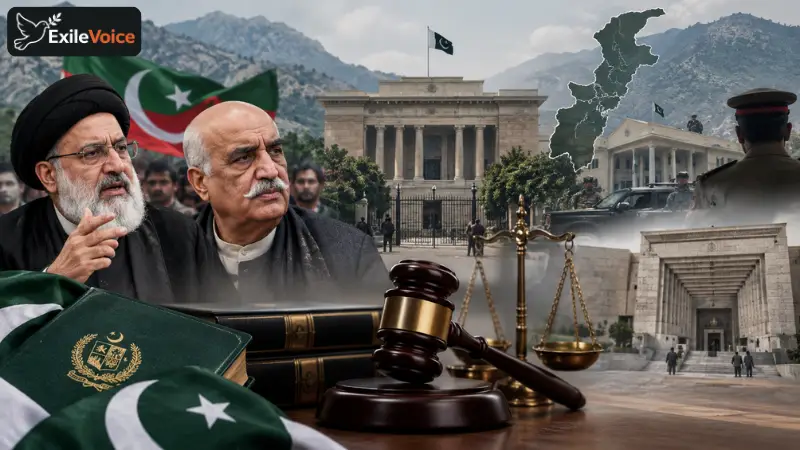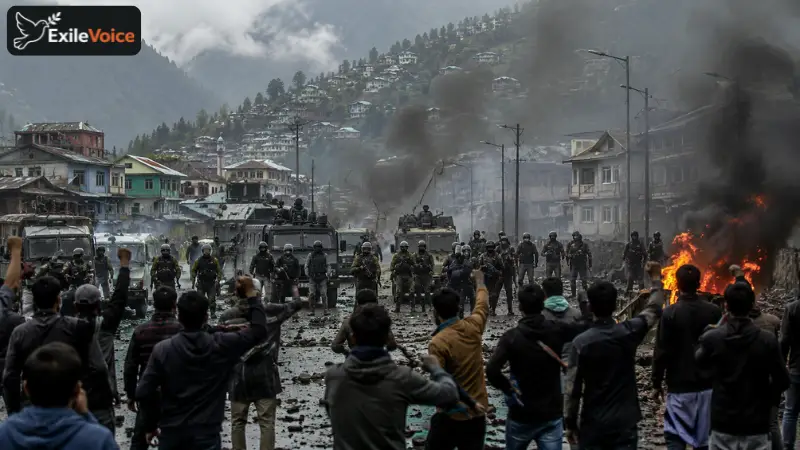
The recent surge of violence in Azad Kashmir, particularly in the Rawalakot and Poonch regions, represents a critical juncture for Pakistan’s governance and its long-standing stance on the Kashmir issue. Triggered initially by the funeral of a prominent local figure associated with the Joint Awami Action Committee (JAAC), the situation quickly spiraled into violent clashes that have reportedly claimed at least 11 lives, though figures remain contested due to a communication blackout and restricted access to the region.
At the heart of the unrest lies a complex friction between the local population and the federal government. For decades, Pakistan has maintained a rigid policy regarding Kashmir, citing it as the "jugular vein" of the nation and investing heavily in security, often at the expense of social infrastructure. However, the current discontent is driven by local grievances that have been ignored for too long. Residents are demanding a more representative form of government, pushing back against the manipulation of the 12 reserved seats originally designated for refugees from Indian-administered Kashmir. Locals argue that these seats are frequently exploited by federal authorities to install loyalists rather than genuine local representatives.
Furthermore, economic dissatisfaction is a major catalyst. The region, which plays a vital role in producing hydroelectric power for Pakistan, feels shortchanged. Citizens are protesting against high electricity costs and the unfair distribution of resources, echoing grievances seen elsewhere in the country, such as in Khyber Pakhtunkhwa. The state's response, deploying security forces, imposing blackouts, and labeling the JAAC as a proscribed organization akin to militant groups, has only deepened the resentment. By treating legitimate civil dissent as a security threat, the government risks alienating a population it has historically championed, creating a dangerous paradox that could have long-term consequences for regional stability.