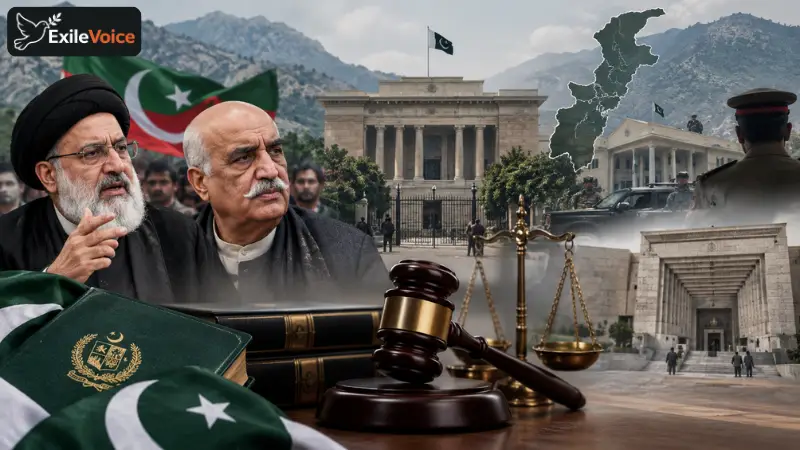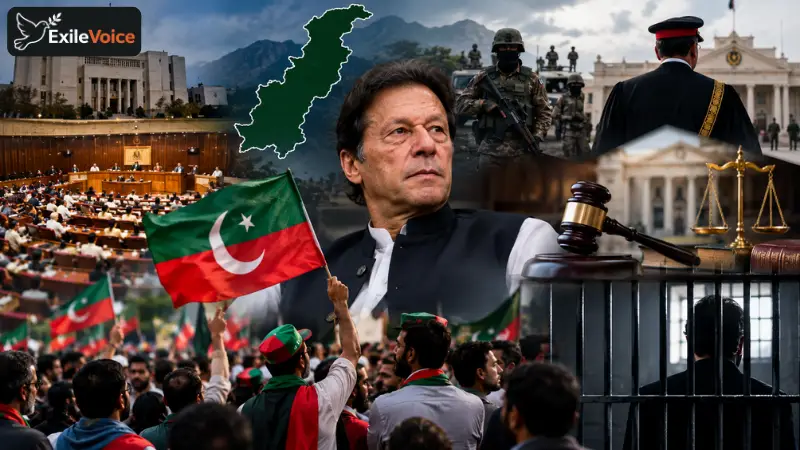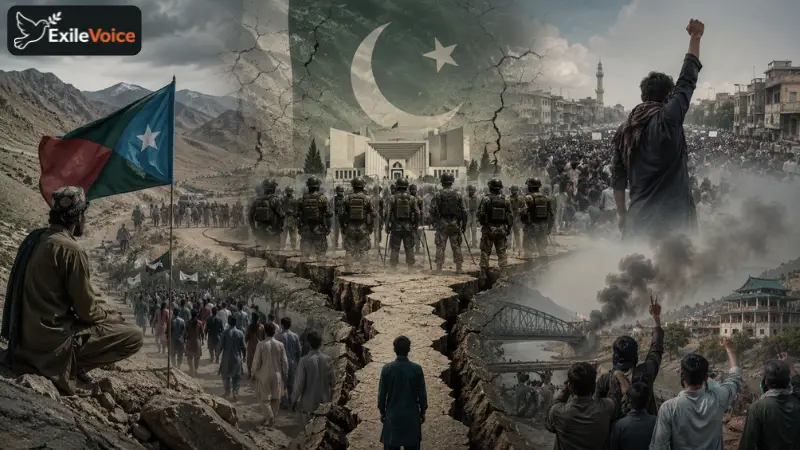
The current political climate in Pakistan is marked by profound regional discontent and a deepening divide between the public and the establishment. The video draws critical parallels between the treatment of different regions, including Balochistan, Khyber Pakhtunkhwa (KP), Sindh, and now, the evolving situation in Pakistan-administered Kashmir.
For decades, the Pakistani establishment has navigated complex political landscapes, often utilizing strategies that have led to long-term alienation among various ethnic and regional groups. In Balochistan, the long-standing insurgency, stemming from historical grievances, persists as a critical example of this disconnect. Similarly, the marginalization of the political leadership in KP and the historical disenfranchisement in Sindh have created widespread frustration. The recent unrest in Pakistan-administered Kashmir, highlighted by the detention of leaders from the Awami Action Committee, underscores a shift in public sentiment. The rhetoric from these movements, which increasingly labels the state's actions as oppressive, signals a critical juncture where long-held loyalties are being challenged. This internal instability, compounded by external economic pressures and a volatile relationship with neighboring nations, poses a significant risk to the nation’s integrity and underscores the urgent need for a more inclusive and democratic approach to governance.