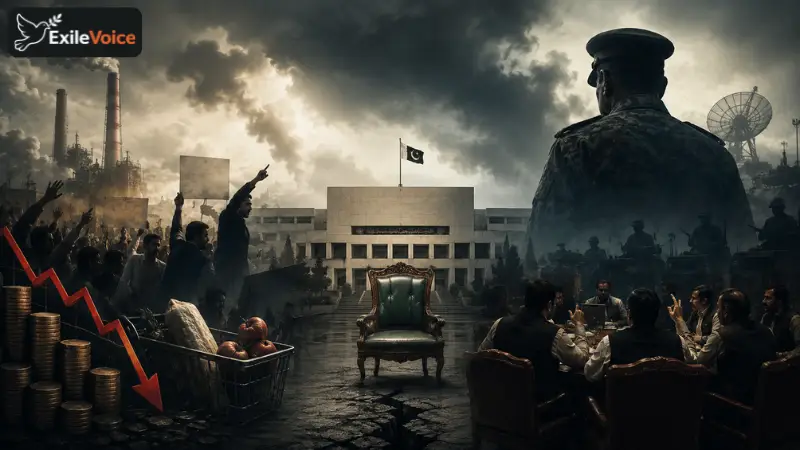
Pakistan’s internal political landscape is currently characterized by a disconnect between governmental performance and the escalating demands of its citizenry. Recent observations from political analysts suggest that the ruling party, the PML-N, is facing a critical juncture. The failure to establish a coherent political narrative, combined with severe economic challenges such as unchecked inflation, industrial stagnation, and rising electricity costs, has severely undermined the current administration’s legitimacy.
Critics argue that the federal government’s reluctance to engage with the public or foster transparent political processes has left a vacuum in leadership. This vacuum is increasingly being filled by the military establishment, which is navigating the complexities of both regional diplomacy and domestic political control. There are emerging indications that the establishment is systematically gathering intelligence on ruling party figures, potentially setting the stage for significant political shifts.
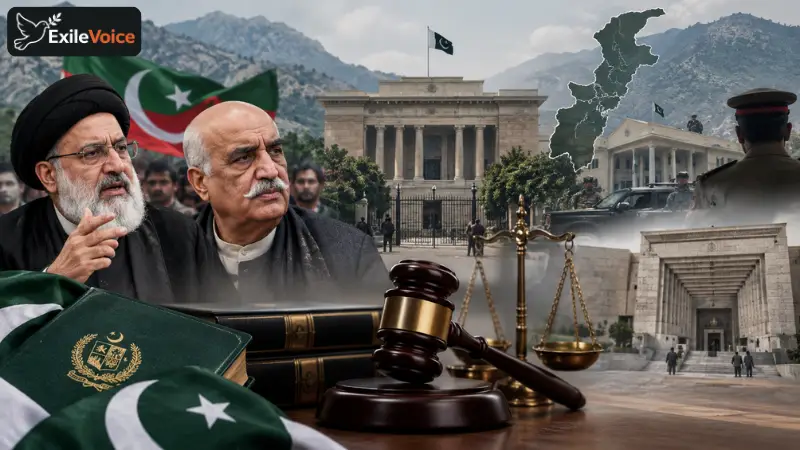
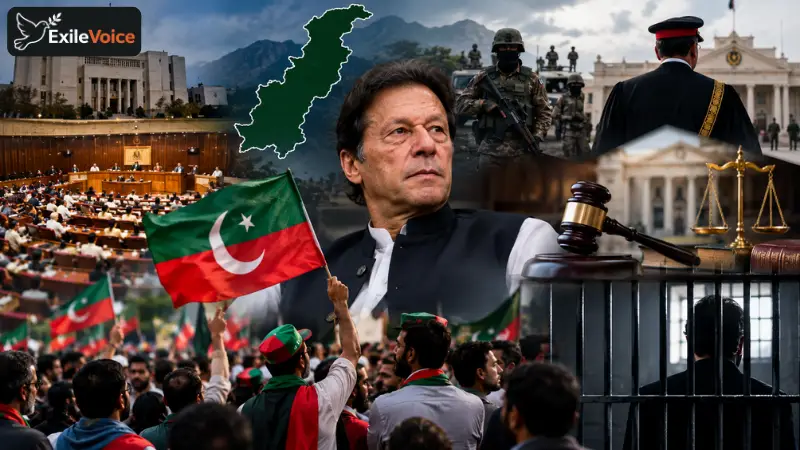
Furthermore, the recent "resolution" of internal friction within the Khyber Pakhtunkhwa (KP) provincial assembly regarding the budget illustrates a recurring pattern of performative political dissent. Despite public displays of grievances by assembly members, the eventual alignment of these factions highlights the influence of centralized pressures over provincial legislative processes. As the government continues to grapple with these crises, the overarching trend suggests a gradual diminishing of its authority, with speculation mounting regarding the future stability of the current administration.