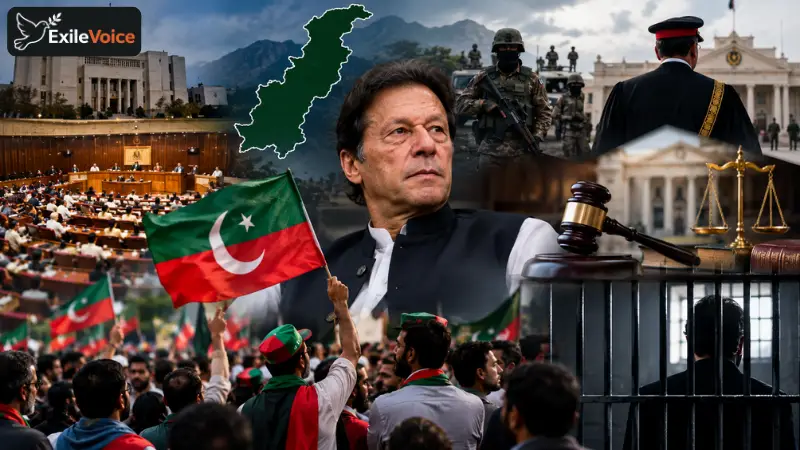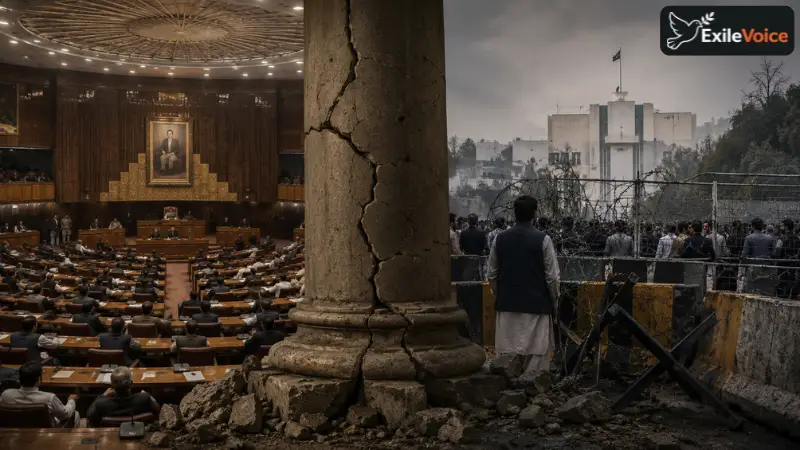
The recent passage of the national budget in Pakistan’s National Assembly without substantive debate has raised serious questions regarding the efficacy and democratic legitimacy of the current legislative process. Reports indicate that the budget was passed in a perfunctory manner, with minimal resistance from opposition parties. This development stands in stark contrast to the expected role of a robust parliamentary opposition, which is tasked with holding the government accountable through scrutiny and debate.
Political observers note that this "smooth sailing" for the ruling administration is being viewed not as a sign of governance success, but as a symptom of a weakened democratic system. The participation of political parties in this process, despite ongoing political tensions, has led to concerns that these institutions are losing their ability to represent the public interest effectively. Furthermore, the reliance on, and subsequent validation of, this process by various political actors undermines the public's trust in parliamentary democracy.
The incident involving the physical barriers in Islamabad, which prevented members of the National Assembly from accessing the parliament to cast their votes, highlights the logistical and systemic challenges facing legislators. When essential democratic processes are overshadowed by administrative incompetence or intentional obstruction, the fundamental principles of representation are compromised. Addressing these systemic failures requires a return to transparent governance, where the parliament acts as a venue for meaningful debate rather than a rubber-stamp institution for executive decisions.