The annual conferment of national awards in Pakistan, typically coinciding with Independence Day on August 14th, has historically been a moment of national pride. These awards were designed to honor individuals who made extraordinary contributions to science, literature, philanthropy, and public service. However, in recent years, the process has come under intense scrutiny, with critics arguing that the system has been hollowed out by political cronyism and a complete disregard for true meritocracy.
In the past, the Nishan-e-Imtiaz, Pakistan's highest civil honor, was reserved for intellectual and humanitarian giants. Luminaries such as physicist Abdus Salam, philanthropist Abdul Sattar Edhi, and revolutionary poet Faiz Ahmed Faiz were the standard-bearers of this award. Their contributions shaped not only Pakistan but left an indelible mark on the global stage. These individuals represented the pinnacle of excellence, setting a benchmark that inspired generations.
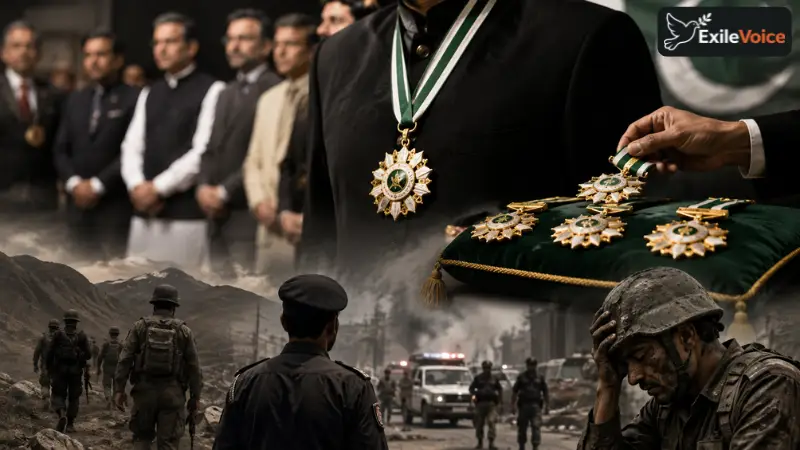
Contrast this with the current trend, where the list of recipients is dominated by politicians, government officials, and individuals perceived to be loyalists to the ruling elite. When political aides, cabinet ministers, and party loyalists receive the same honors once reserved for Nobel laureates and legendary humanitarians, the intrinsic value of the award is diminished. The inclusion of individuals whose primary contribution seems to be administrative loyalty, rather than extraordinary service to the nation, signals a systemic collapse of merit.
Furthermore, the disparity in recognition is stark. While political figures are celebrated, the true defenders of the state, the law enforcement personnel in provinces like Khyber Pakhtunkhwa and Balochistan, often go unrecognized. These officers and soldiers face extreme danger, sacrificing their lives in the line of duty, yet they are frequently overlooked by the federal award machinery. This creates a disconnect between the state and the people who actually protect it. When honor is distributed as a tool of political patronage rather than a reward for sacrifice or genius, it sends a clear message: loyalty to the power structure is valued far above service to the nation. This trend must be reversed if the state intends to restore the prestige of its national symbols.