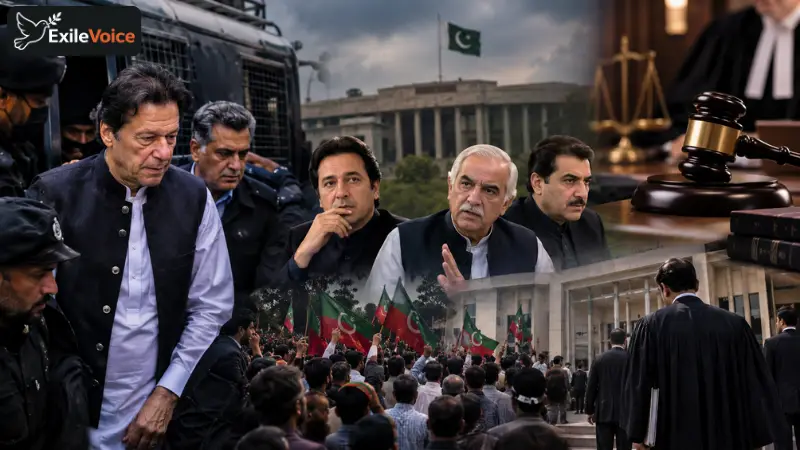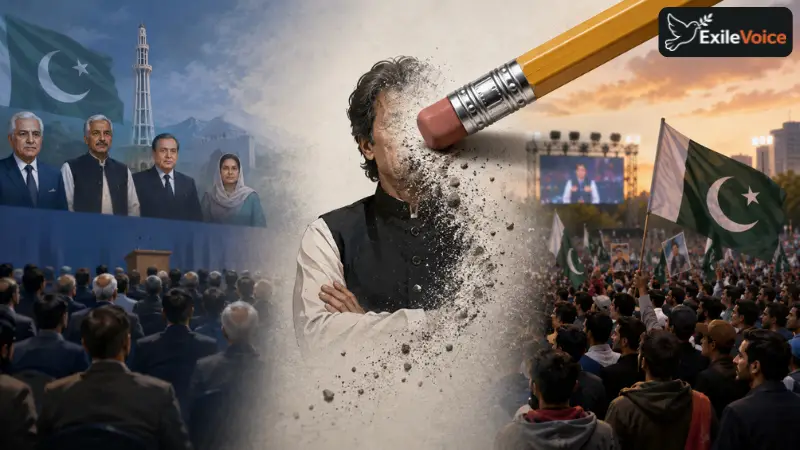
In recent years, the intersection of politics and diaspora community events has become increasingly contentious. A notable example occurred at a major convention hosted by the Association of Physicians of Pakistani descent of North America (APPNA) in Orlando, Florida. During this annual event, which typically brings together thousands of professionals, observers noted a conspicuous absence of former Prime Minister Imran Khan from promotional materials that featured various other national figures and symbols of Pakistani heritage.
This incident has sparked a broader debate regarding the boundaries of political expression within professional and social associations. Critics argue that such erasures are not merely logistical oversight but represent a concerted effort to sanitize public discourse and conform to shifting political pressures. The internal dynamics of these organizations are often complex, with professional mandates frequently conflicting with the polarized political realities back home.
The phenomenon of the "parallel conference", where supporters of excluded political figures hold independent gatherings alongside main events, highlights a deepening fragmentation. While organizations maintain strict bylaws regarding political neutrality, observers note that these rules are often selectively applied, raising questions about the role of administrative leadership in shaping institutional narratives. As diaspora influence grows, the challenge of maintaining inclusive, representative spaces while navigating high-stakes geopolitical sensitivities remains a primary concern for organizational boards.