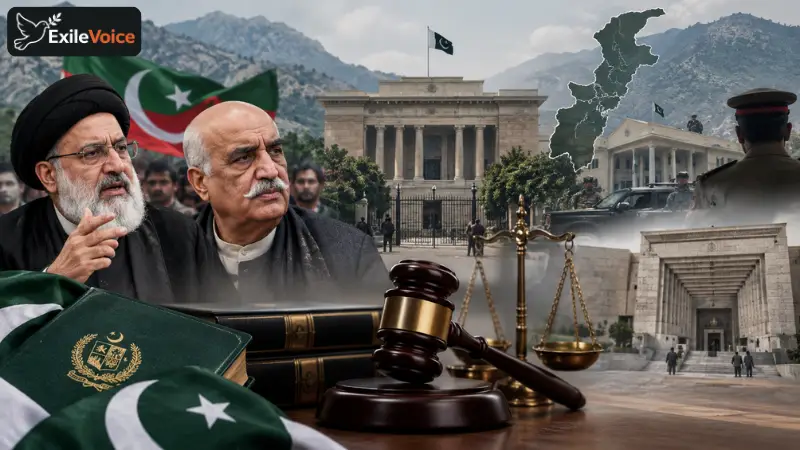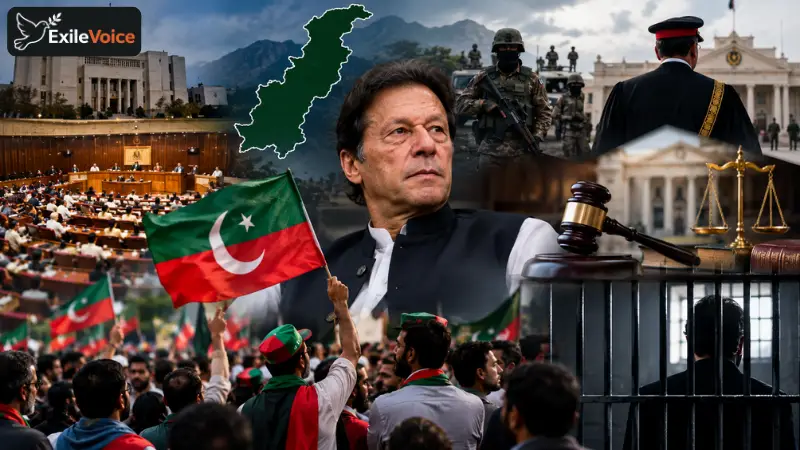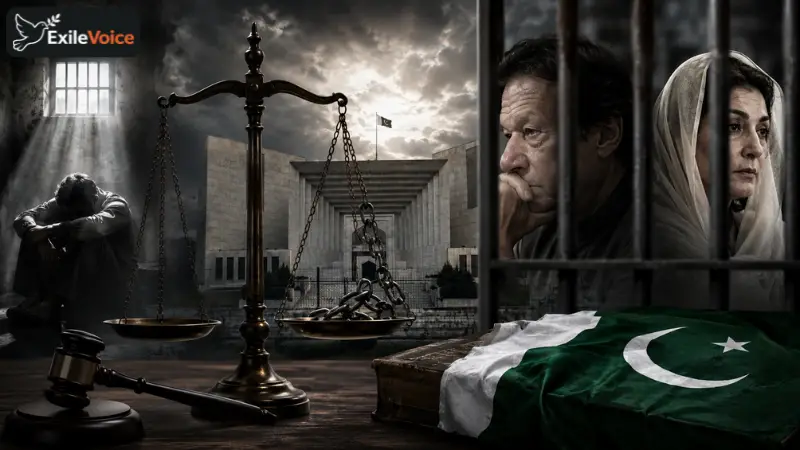
The state of the judiciary in Pakistan continues to face intense scrutiny, with recent developments surrounding the cases of Imran Khan and Bushra Bibi highlighting significant concerns regarding human rights and constitutional integrity. The ongoing legal battles have become a flashpoint for a broader discussion about the rule of law and the independence of the judicial system. Supporters and observers, including prominent voices in the political sphere, have expressed skepticism regarding the efficacy of current judicial proceedings, arguing that technicalities are often prioritized over substantive human rights violations.
A central point of contention is the extended period of solitary confinement experienced by political figures, which critics argue is a direct violation of international conventions, the Pakistani constitution, and basic human rights. The perception is that the judicial process has become an instrument for delays rather than a mechanism for justice. There is a palpable fear among stakeholders that the judicial system, from the High Court level to potential constitutional court interventions, is being navigated in a manner that favors political expediency over equitable treatment.
This environment has led to a sense of disillusionment among the public and political actors who feel that the courts are no longer providing a fair arena for the resolution of grievances. The argument persists that the administrative and judicial structures are failing to uphold the standards required for a functioning democracy. This state of affairs is not merely a legal crisis but a systemic one, impacting the credibility of state institutions in the eyes of the citizenry.
Furthermore, the lack of transparency and the perceived alignment of certain judicial processes with political motives have created a climate of uncertainty. For the rule of law to be effectively restored, there must be a genuine commitment to impartiality and a focus on the core human rights issues rather than technical maneuvers that serve to prolong detention. The future of Pakistan's political landscape depends heavily on the ability of the judiciary to reclaim its role as an independent arbiter of justice, free from the shadow of external pressures.