The recent conventions of the Association of Physicians of Pakistani Descent of North America (APNA) offer a unique window into the evolving political consciousness of the Pakistani-American diaspora. Far from being a homogeneous bloc, this community is increasingly showcasing a diversity of political opinions, particularly regarding the state of governance and human rights in Pakistan.
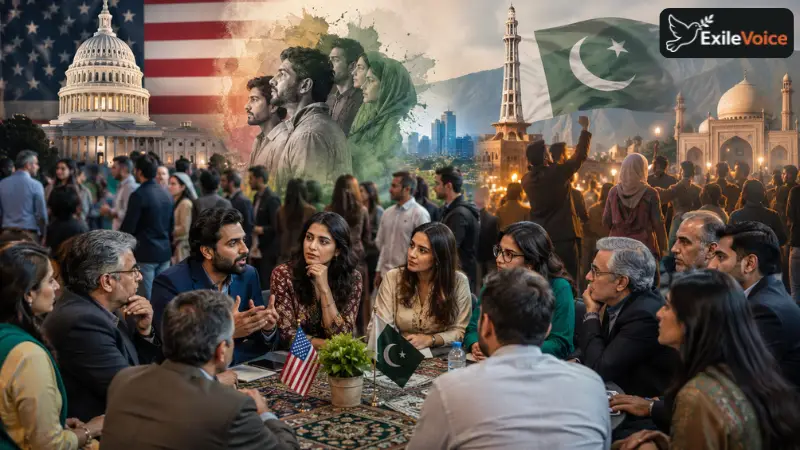
During recent forums held in the United States, observers noted a marked shift in the discourse among Pakistani-American professionals. Conversations centered heavily on the crises of governance, capacity, and democracy within Pakistan, with many attendees expressing deep concerns over the state's overreach and the perceived erosion of civil liberties. Notably, this group displayed a strong, active interest in American progressive politics, reflecting a growing alignment with diverse socio-political causes in their adopted country. This active participation suggests that the diaspora is moving toward a more nuanced form of civic engagement that bridges their heritage with their present reality in the United States.
However, the political environment at these gatherings is not without its tensions. Controversies, such as the reported censorship of political figures at commemorative events, underscore the difficulty of maintaining a unified identity when the homeland itself is deeply fractured. These instances of internal friction reveal the challenges of navigating political polarization even within communities living thousands of miles away. As the Pakistani-American diaspora continues to grow in influence and organizational capacity, its role in influencing the broader narrative regarding Pakistan’s place in the world is likely to become more pronounced, providing a vital counter-narrative to state-managed official accounts.