The geopolitical landscape of West Asia is currently witnessing a volatile shift as the anticipated second round of negotiations between the United States and Iran, slated to take place in Islamabad, appears to have reached a dead end. Despite intensive diplomatic efforts by Pakistan’s civil and military leadership, including a high-profile visit by Army Chief General Asim Munir to Tehran, the atmosphere has been poisoned by a series of aggressive military and rhetorical maneuvers.
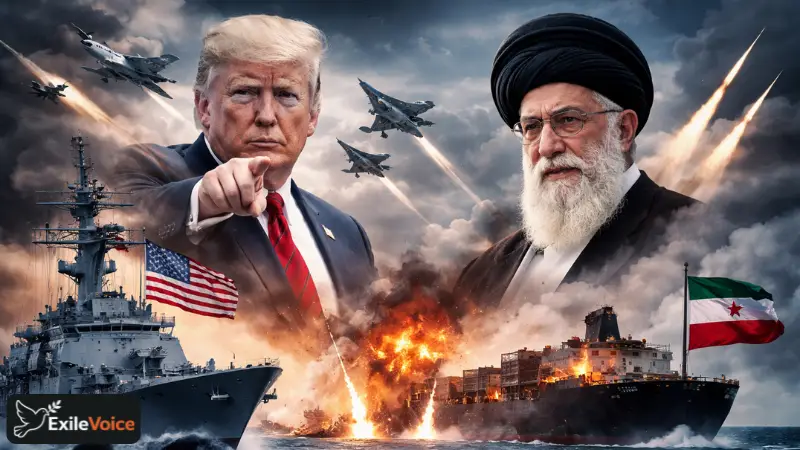
The friction reached a boiling point following a recent incident in the Gulf of Oman, where a U.S. missile destroyer targeted and subsequently seized an Iranian cargo ship returning from the Malacca Strait. While the contents of the vessel are still under investigation, the act itself is viewed by Tehran not as a routine maritime enforcement, but as a calculated provocation designed to undermine diplomatic leverage. This escalation follows a pattern of "maximum pressure" tactics revived by the Trump administration, characterized by a continuous naval blockade that persists even after Iran’s goodwill gesture of reopening the Strait of Hormuz to international traffic.
Rhetoric from Washington has further complicated the path to the negotiating table. President Trump’s recent social media assertions, stating he is "no more a nice guy" and threatening to target Iranian infrastructure like bridges and power stations if a "deal" is not reached, have created a climate of coercion rather than cooperation. This "locked and loaded" posture, echoed by the Secretary of War, has forced the Iranian leadership to distance itself from the Islamabad talks. Iranian news agencies, including those linked to the IRGC, have clarified that there is currently no intention to attend the second round, citing the impossibility of negotiating while under a literal and metaphorical gun.
The implications of this diplomatic failure are already being felt globally. Following the ship seizure and Iran’s subsequent threats of retaliation, global oil prices surged, with Brent Crude climbing toward $100 per barrel. Financial markets have reacted with similar instability, reflecting a deep-seated fear that the "Cold War" in the Persian Gulf could turn into a "Hot War" at any moment. For Pakistan, which has transformed Islamabad into a high-security zone for these potential talks, the absence of the Iranian delegation represents a significant setback in its role as a regional mediator.