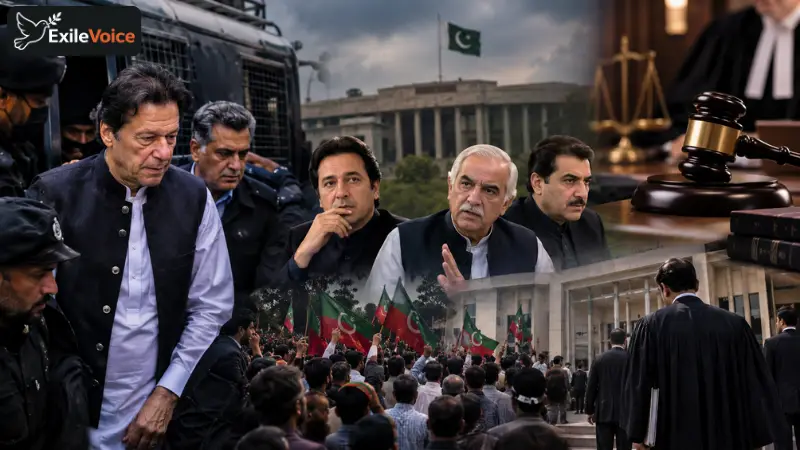
The intersection of politics, military establishment influence, and media narratives in Pakistan has long been a subject of intense public discourse. Recently, explosive admissions from prominent media figures and political actors have shed light on the mechanics behind systemic attempts to discredit political figures, specifically targeting the administration of former Prime Minister Imran Khan. These revelations provide a rare, candid look into how narratives are manufactured to serve the interests of powerful institutions.
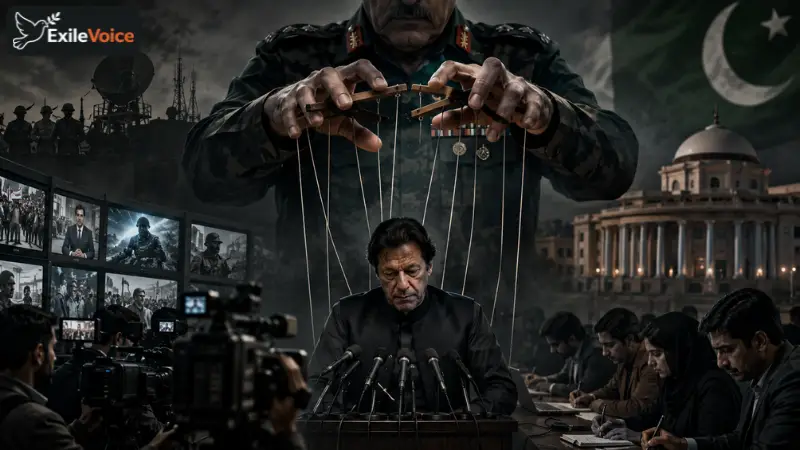
At the core of these revelations is the admission that, shortly after Imran Khan’s government took office, specific media entities were instructed to adopt an aggressively critical stance. According to testimonies, journalists were given a directive to "go after" the government to ensure that negative public perception did not reflect back on the military establishment. This strategy, as described by those involved, was not merely organic journalism but a coordinated effort to label the administration as incompetent, corrupt, or compromised by foreign agencies.
The playbook for discrediting political leaders in this context is multifaceted. It often begins by painting a leader as "incompetent" or "inept," followed by allegations of corruption. To further alienate the public, narratives concerning personal morality, religious devotion, and alleged foreign agendas, such as being agents for external intelligence services, are weaponized. The intensity of these campaigns often crossed traditional boundaries of political criticism, delving into personal lives and family matters to delegitimize the leadership.
Furthermore, economic narratives were frequently manipulated to paint a bleak picture of governance. Journalists would amplify economic hardships, such as currency fluctuations and fuel price hikes, to create an atmosphere of crisis, often ignoring global economic factors like the COVID-19 pandemic. By comparing the economic management of the Khan administration against previous eras while disregarding the broader international context, media outlets successfully manufactured a narrative of failure.
The admission from political figures, such as Khawaja Asif, regarding early offers of government transition suggests that these political movements were part of a larger, orchestrated game. By revealing that military leadership had sought to engage political opposition as early as 2019, it highlights a persistent effort to maintain control over the political landscape. These insights provide a clearer picture of how "soft corners" were developed and how the machinery of the state was utilized to influence political outcomes.
Ultimately, these disclosures illustrate a complex environment where accountability is often replaced by manufactured narratives. The recognition by media figures that they were acting on external instructions reveals the precarious state of independent journalism when it intersects with powerful state actors. As Pakistan navigates its complex political future, these revelations serve as a crucial reminder of the importance of critical analysis and the need for transparency in the relationship between media, military, and state governance.