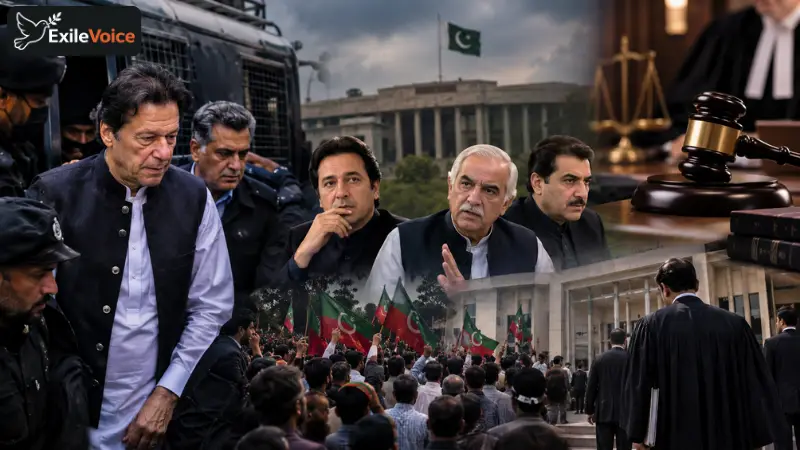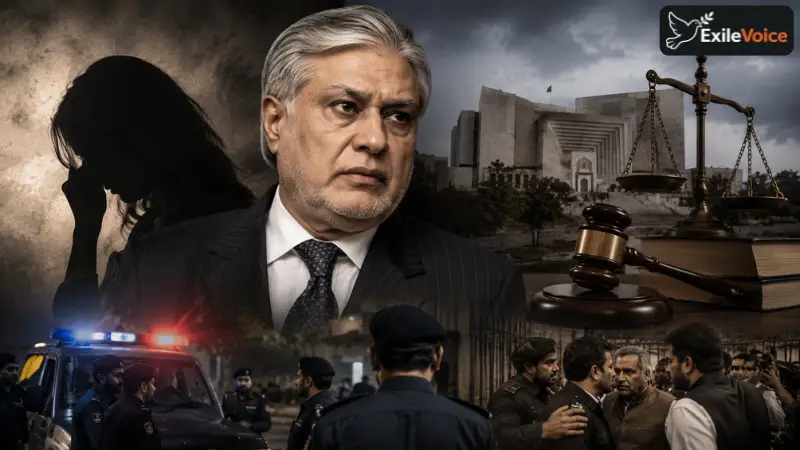
Recent reports have ignited a firestorm of controversy in Pakistan, centering on allegations against a relative of Deputy Prime Minister Ishaq Dar. According to circulating narratives, this individual has been implicated in a serious case involving allegations of sexual misconduct.
The situation gained significant public and media attention due to the high-profile nature of the individuals involved. Observers note that the incident triggered complex maneuvering within local law enforcement and administrative circles. Reports suggest that initial attempts to suppress the FIR (First Information Report) were met with resistance from various quarters, leading to an extraordinary scenario where a junior officer, specifically an Assistant Superintendent of Police (ASP), was reportedly tasked with ensuring the legal process moved forward.
Insights into the case highlight the perceived influence of political figures in Pakistan. Analysts point out that when such high-stakes cases involve relatives of ruling elites, they often face intense scrutiny, with media outlets providing disproportionate coverage to the events. The subsequent fallout included the suspension of an SHO (Station House Officer), allegedly because of administrative friction regarding the recording of testimonies from the involved parties. As the story develops, it serves as a stark reminder of the intersection between political power and the judicial process in the country. Observers, including senior journalists, have suggested that this incident might be part of a broader trend involving the surfacing of political scandals as institutional dynamics shift.