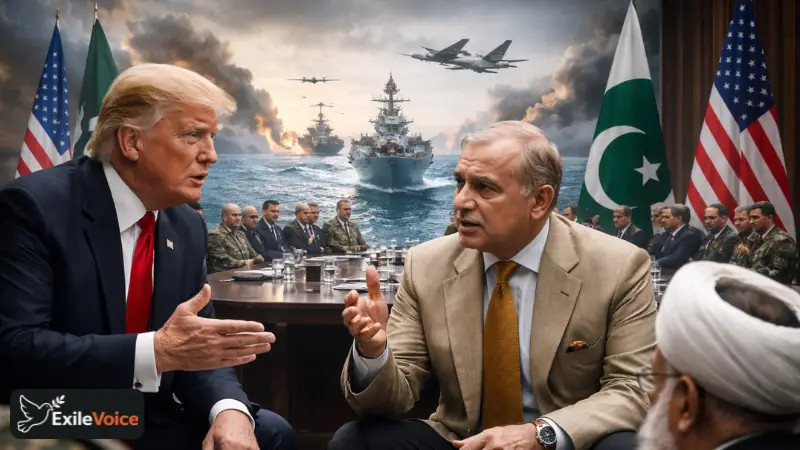
In a dramatic turn of events that has left the world breathing a collective sigh of relief, President Donald Trump announced via Truth Social a 15-day postponement of planned military strikes intended to "destroy a whole civilization" in Iran. This decision comes at a critical juncture where the Middle East was on the precipice of a full-scale war that threatened to dismantle global oil supply chains and spark an unprecedented humanitarian disaster. While the announcement was framed as a response to a formal request from Pakistan’s Prime Minister, Shehbaz Sharif, the underlying dynamics reveal a complex web of political pressure, military hesitation, and international outcry.
The timeline of this de-escalation began shortly before a looming 8:00 PM Eastern Time deadline. President Trump had previously escalated his rhetoric to an alarming degree, stating that an entire civilization could face "death" if the Strait of Hormuz remained closed to commercial shipping. Prime Minister Shehbaz Sharif’s appeal for a two-week window was seen as a tactical lifeline. Under the proposed terms, Iran is expected to allow the transit of oil and gas through the economically vital waterway, while the United States observes a cessation of hostilities. This diplomatic opening provides a much-needed cooling-off period, though the permanent resolution remains far from certain.
Analysis of the situation suggests that while Pakistan played a visible role as a mediator, leveraging its unique access to both Trump and regional leaders, the ceasefire was equally a political necessity for the U.S. President. Trump had been facing immense pressure from within the Republican Party, the Democratic opposition, and global allies in Europe and beyond. Domestic critics, including nearly 25 percent of Democratic legislators, had begun discussing the possibility of invoking the 25th Amendment, questioning the President's mental fitness for office following his extreme threats. Prominent figures like Tucker Carlson also criticized the timing and nature of the escalation, marking a significant break in Trump’s usual support base.
Furthermore, internal reports from the Pentagon suggest a disconnect between the President’s social media rhetoric and military readiness. Sources indicate that Central Command (CENTCOM) had not fully prepared for a strike of the magnitude Trump described, citing legal and ethical concerns regarding attacks on civilian infrastructure. Military leaders were reportedly wary of executing orders that would clearly constitute war crimes under international law, such as the deliberate destruction of entire populations or cultural heritages. The confusion within the chain of command likely contributed to the President’s willingness to accept the Pakistani proposal as a face-saving exit.
As the 15-day period begins, the focus shifts to whether this window will lead to a sustainable "Islamabad Accord" or merely delay an inevitable conflict. Despite the official ceasefire, Israeli forces have reportedly continued localized strikes, targeting Iranian railway bridges and infrastructure to maintain military pressure. The international community, led by Russia and China, who recently exercised a double veto at the UN regarding the use of force in the region, remains highly skeptical of U.S. intentions. For now, the world watches to see if diplomacy can truly replace the language of total devastation.